Nankinmachi (Chinatown)
Home / Tourist Spots / Gourmet
Gourmet · Photography

Nankinmachi (Chinatown)

南京町(中華街)

One of Japan's three major Chinatowns

Opening Hours
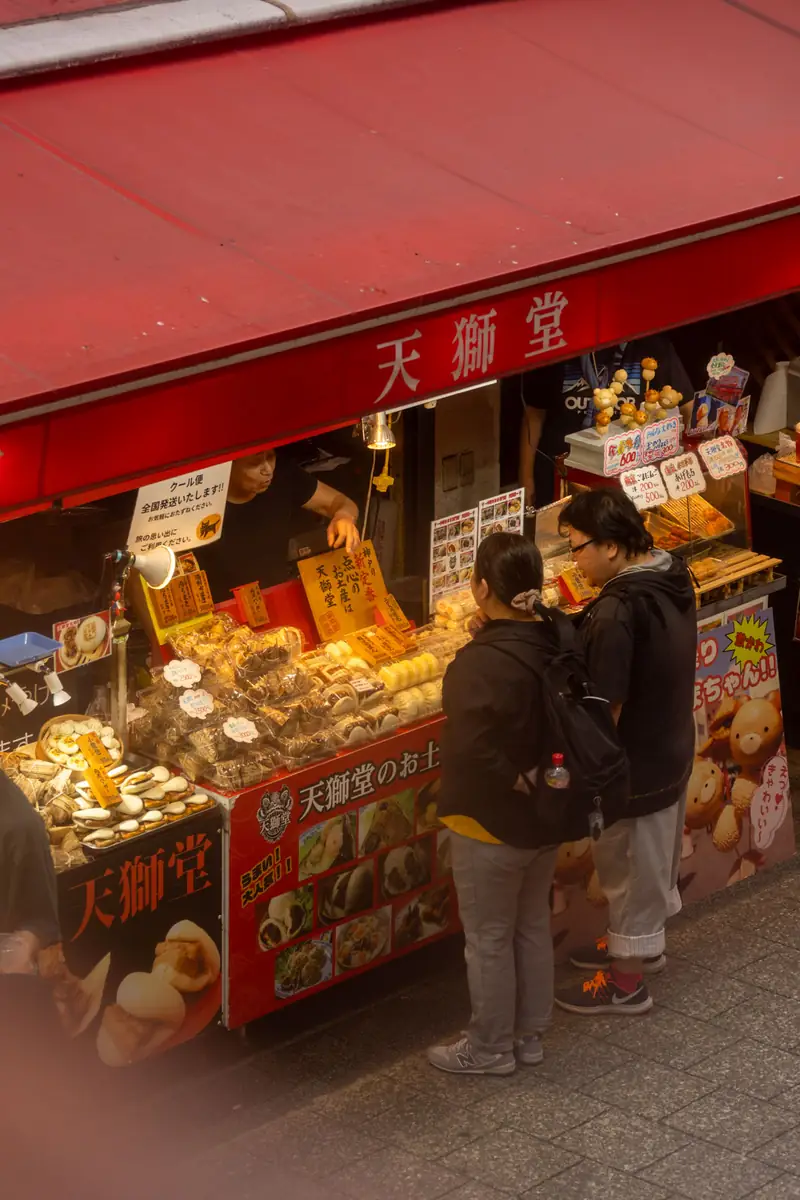
The street area is accessible 24 hours. Shop hours vary (e.g. the famous Roshoki butaman shop is open daily 10:00–18:30, or until sold out).
cost
Free to stroll / e.g. Roshoki butaman from ¥600 for 5 pieces
Suggested Duration
About 30 min
Best Time
Around noon (lively and photogenic)
Accessibility
Close to station and easy to walk

Photo Gallery

Nankinmachi (Chinatown) 1
1 / 5

Explore

Go deeper around Nankinmachi (Chinatown)

Read guides, visit reports, and recent updates that add context to this spot.

Nankinmachi (Chinatown) : Things to See & Do

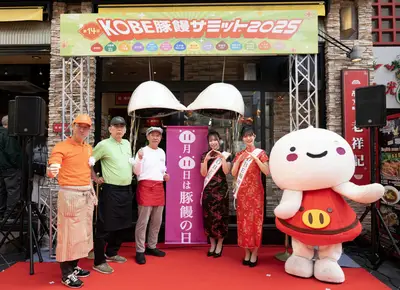
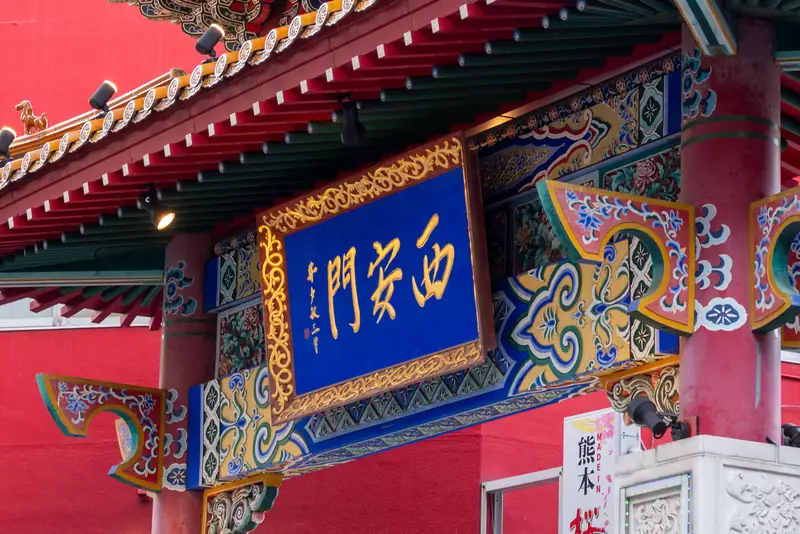
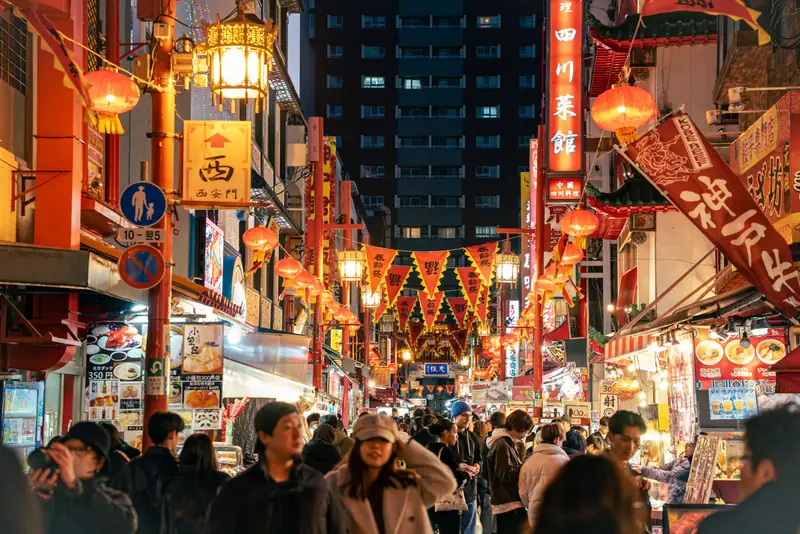
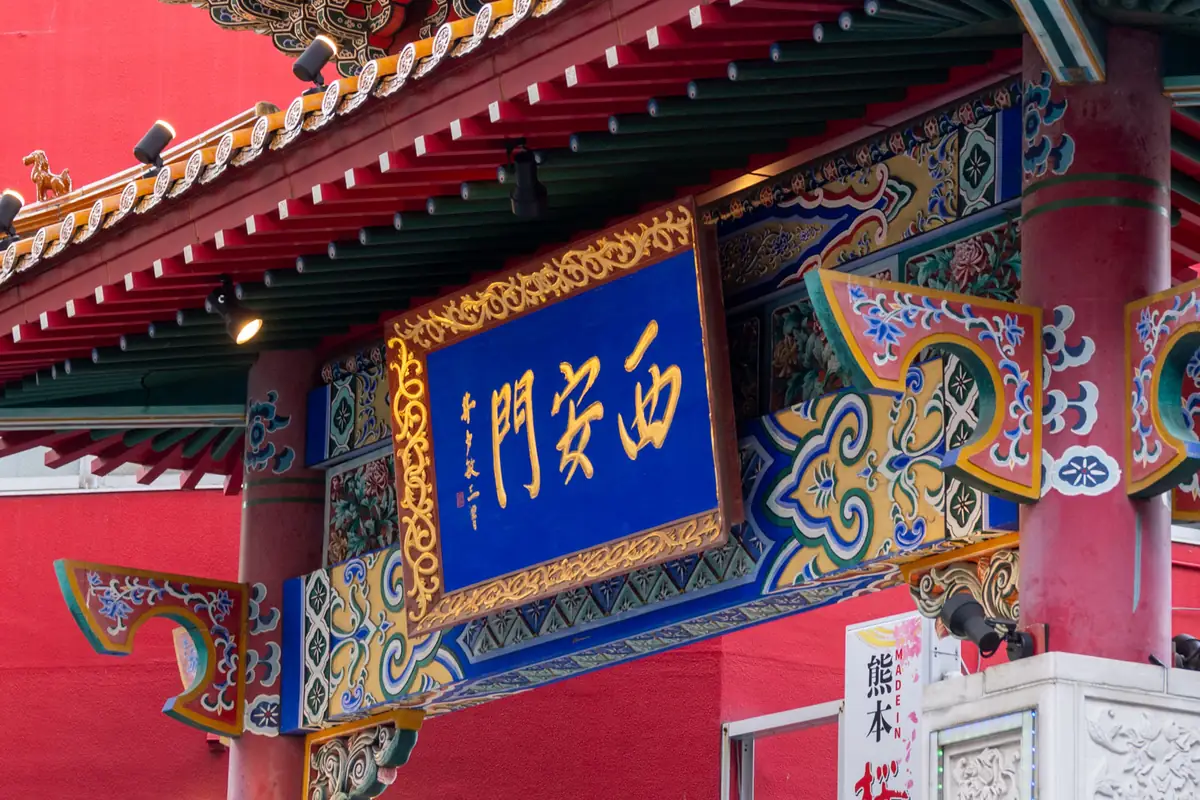
Nankinmachi in Kobe's Motomachi district is one of Japan's three major Chinatowns, alongside Yokohama and Nagasaki. Over 100 shops pack into a compact 200m × 110m grid lined in red and gold, framed by the Chang'an Gate and the central Azumaya pavilion. The community formed after Kobe Port opened in 1868, and has been rebuilt by locals after both WWII and the 1995 earthquake. The main draw is street food — xiaolongbao, pork buns, sesame balls, and more — best enjoyed on a weekday morning before the crowds. During Chinese New Year, lion and dragon dances and firecrackers fill the streets, making it the liveliest time of year. Pair it with Motomachi and the Old Foreign Settlement for a classic Kobe walking route.

🥟

Street Food

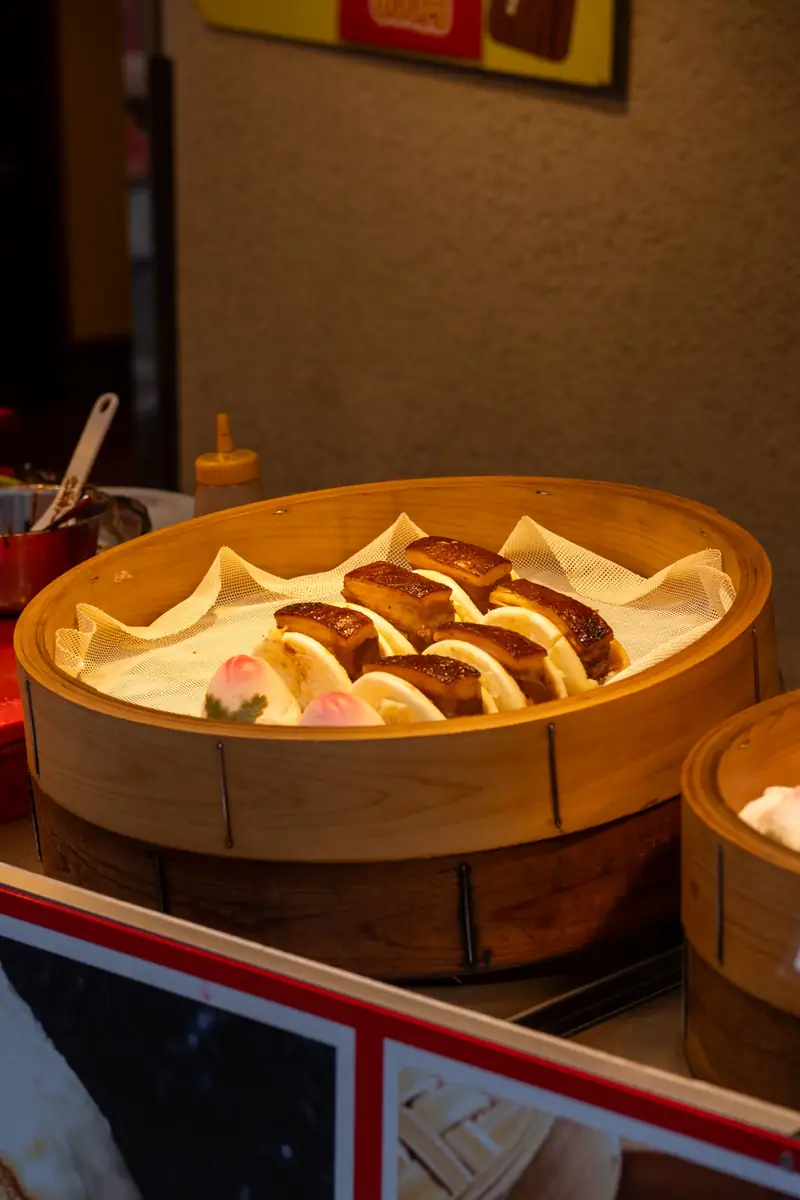
Xiaolongbao, pork buns, and more

🏮

Exotic Atmosphere

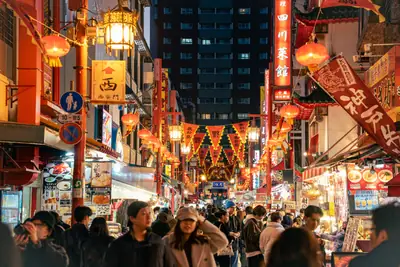
Streets lined with red gates and lanterns

🎊

Festivals and Events

Traditional Chinese events like Spring Festival

🐲

Nankinmachi Square & Zodiac Statues

Stone statues of the 12 zodiac animals around the central pavilion

🥠

Heritage Pork Bun Culture

Specialty butaman shops like Roshoki (est. 1915), thriving since before WWII

Nankinmachi (Chinatown) : Photo Spots & Tips

Best Shots

  • — Front view of Chang'an Gate
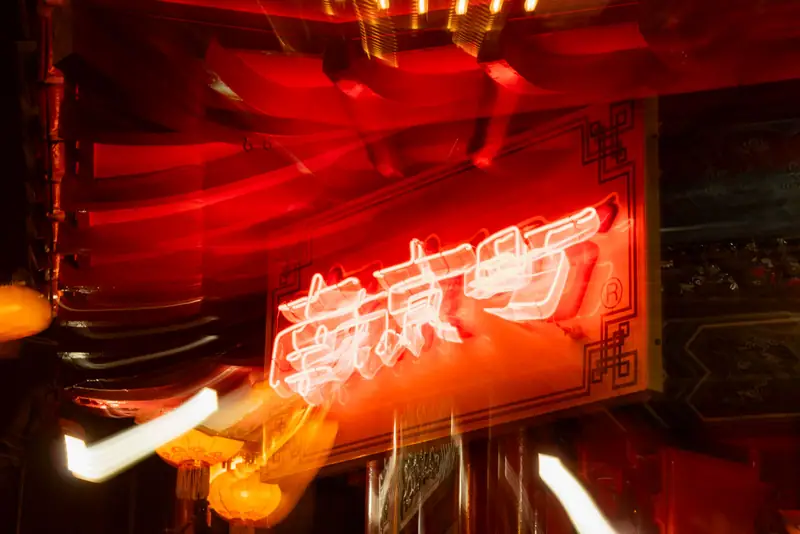
  • — Atmosphere of streets with lanterns
  • — Close-up of street food

Best Timing

  • — Around noon (lively and photogenic)
  • — Weekend crowds
  • — During festival periods

Access

About 5 min on foot from JR/Hanshin Motomachi Station (east exit), or 2 min from Subway Kaigan Line Kyūryūchi-Daimaru-mae Station. Also a 10-min walk from Hankyu Kobe-Sannomiya Station (west exit). Cars cannot enter Nankinmachi itself — use nearby coin parking lots, concentrated along Sakaemachi-dori.

Note

Weekends, holidays, and the Spring Festival period get very crowded — weekday mornings are the sweet spot. Trash bins are limited along the street, so it's good manners to return packaging to the shop where you bought it. Early morning is best for wide shots of Chang'an Gate before crowds arrive, while dusk and evening offer a completely different mood once the lanterns light up.

FAQ

How do I get to Nankinmachi? Can I take a train?
From Hanshin/JR Motomachi Station's east exit, it's about a 3-minute walk. From Subway Kyūryūchi-Daimaru-mae Station, about 5 minutes. You can also walk from Sannomiya Station in about 10 minutes, passing through Motomachi Shopping Street. There's no dedicated parking, but coin parking lots are scattered nearby. Public transport is strongly recommended, especially on weekends.
What are Nankinmachi's opening hours? Are there any days it's closed?
As an outdoor street district, the Nankinmachi area itself is accessible 24 hours a day. Individual shop hours vary, but most operate roughly 10:00–20:00. Some shops extend their hours on weekends and holidays. Many shops tend to be closed on Mondays, but the area never completely shuts down. Checking the specific shop's social media before your visit is recommended.
What are the must-try street foods here?
The pork bun (butaman) and xiaolongbao are essential. Kobe-style pork buns have a thicker, chewier skin than their Yokohama counterparts — a distinct taste worth comparing. Other favorites include Peking duck rolls, sesame balls, pan-fried xiaolongbao, almond tofu drinks, and mango pudding. Lines form at most shops on weekends, so weekday visits or arriving early helps. Part of the fun is comparing the subtle differences between vendors.
When is the Spring Festival (Chinese New Year) event? What are the highlights?
Spring Festival takes place around late January to early February, based on the lunar calendar (dates vary each year). The highlight is the lion and dragon dance procession through the streets — a striking, high-energy performance accompanied by firecrackers. The main viewing areas are Nankinmachi Square and around Chang'an Gate, which get crowded fast, so arriving early is advised. Check the official website (nankinmachi.or.jp) for exact dates.
Are there other sights nearby that I can visit together?
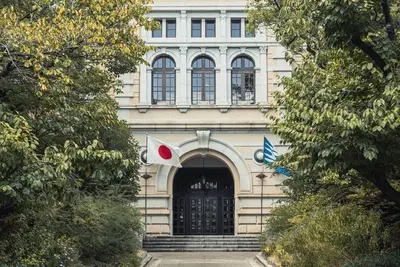
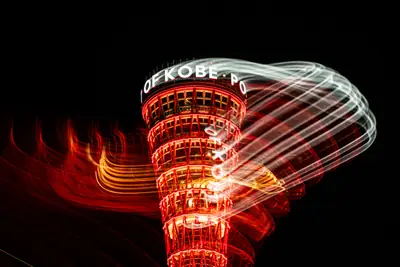
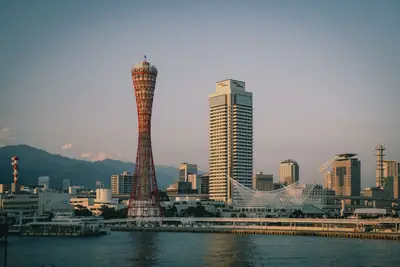
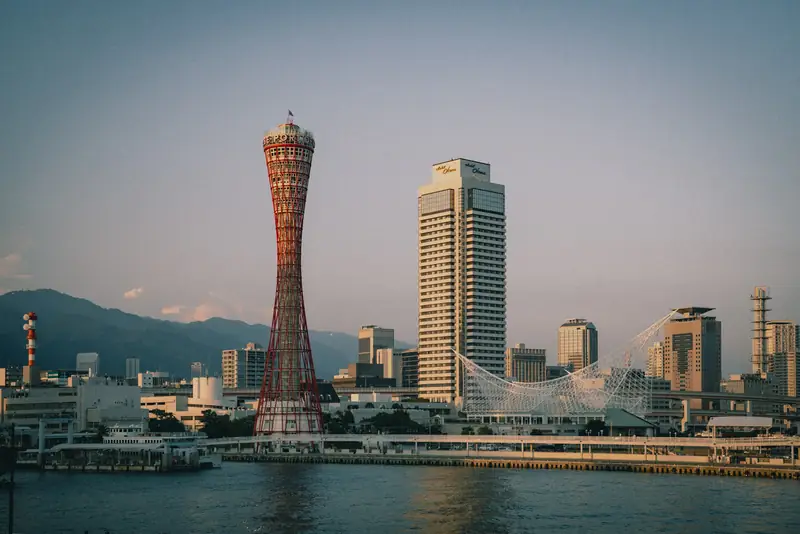
Many highlights are within walking distance. Just to the west is the Old Foreign Settlement (Kyūryūchi), where Meiji-era Western buildings create a refined streetscape. Continue further west to reach Meriken Park and Kobe Port Tower, Kobe's iconic landmarks. To the east, Motomachi Shopping Street leads up to Sannomiya. A popular half-day loop: street food in Nankinmachi in the morning, then Old Settlement and Meriken Park in the afternoon.
What's the best time to visit to avoid crowds?
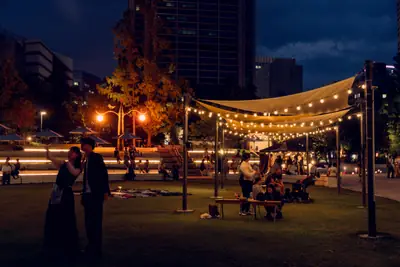
The busiest times are weekend middays (11:00–14:00) and major holidays like Spring Festival, Golden Week, and Obon. Weekday mornings around 10:00 are the quietest, often letting you buy food without queuing. It gets busy again in the evening, but the lantern-lit atmosphere at dusk is particularly atmospheric — worth timing your visit for if photography is your priority. Spring Festival is guaranteed to be crowded, but that festive energy is precisely the point.

Routes

Routes Including This Spot

MAP

Events

What to do in Kobe this weekend?

View Recommended Events

Nearby Spots

Where to go after Nankinmachi (Chinatown)

Explore

Explore More of Kobe

View All Features →