
- Dates & time
- January 9, 2027 (Sat) - January 10, 2027 (Sun) Jan 9 (Sat) and Jan 10 (Sun), 10:00–18:00
- cost
- Free to visit. Lucky bamboo branch 1,000 yen; charms 500 or 1,000 yen
- Venue & access
- Yasaka Shrine (Higashiyama, Kyoto) About 5 min walk from Keihan Gion-Shijo Station, or about 8 min from Hankyu Kyoto-Kawaramachi Station
There are 12 car parks within a 12-minute walk of Yasaka Shrine (Higashiyama, Kyoto), and 5 public restrooms within 8 minutes. The map shows each with its walking time.
Facility data comes from OpenStreetMap. It does not include opening hours, fees or availability.
Why You Should Visit
Gion Ebisu is the New Year festival of the Kitamuki Ebisu-sha, a small shrine within the grounds of Yasaka Shrine, and every January 9–10 it draws people who come to pray for success in business. At 15:00 on the 9th, the Ebisu boat carrying the Seven Lucky Gods parades along Shijo-dori from the foot of the shrine's stone steps to Shijo-Karasuma, and at 15:00 on the 10th a rite for business prosperity and family safety is held at the Ebisu shrine. On both days, lucky bamboo branches are handed out in front of the main hall, ready to be decorated with charms such as gold coins and sea bream, and many visitors also make the Sansha-mode, a round of three shrines in the grounds. An easy way to add a New Year blessing to a walk through Gion.
Who is Ebisu?
Ebisu is the god of good fortune and business among the Seven Lucky Gods, and the only one of the seven native to Japan; the others trace their roots to China and India. At Yasaka Shrine he is identified with Kotoshironushi, a son of the god Okuninushi, and is enshrined in the Kitamuki Ebisu-sha, where shrine tradition dates his worship back to the Heian period. The shrine also has old ties with Osaka's Imamiya Ebisu: its sacred water is still offered at the tea ceremony held ahead of Imamiya's Toka Ebisu, and sea bream arrive from Imamiya at the end of each year. On January 9–10, visitors receive a bamboo branch, add the charms they want, and take it home as a protective decoration for their shop or home.
Programs
Timetable & Map
NOTE
Lucky bamboo and charms
- The bamboo branch (1,000 yen) is given out in front of the main hall, to be decorated with charms such as gold coins, sea bream and rice bales
- 500-yen charms: sea bream, treasure chest, storehouse, lucky mallet, ema plaque, account book
- 1,000-yen charms: rice bale, purse, koban gold coin, dice, winnowing basket, pine-bamboo-plum
Sansha-mode
- On the 9th and 10th, 10:00–18:00, a New Year round of the main hall, Okuninushi-sha and Kitamuki Ebisu-sha
- A Sansha-mode seal sheet is handed out in front of Kitamuki Ebisu-sha
Another Ebisu festival nearby
- From Jan 8 to 12, Kyoto Ebisu Shrine holds Toka Ebisu
*Times for 2027 follow the usual schedule and will be updated once the shrine announces this year's details.
Events
Where to go next

1/8 - 1/12
Kyoto Ebisu Shrine Toka Ebisu (Hatsu Ebisu) 2027
Kyoto Ebisu Shrine, Higashiyama, Kyoto

12/31 - 1/1
Okera Mairi at Yasaka Shrine
Yasaka Shrine (Higashiyama, Kyoto)

Next 12/27 +1 more
Chion-in New Year's Eve Bell Ringing (Joya no Kane)
Daishoro Bell Tower, Chion-in Temple

10/23 - 12/13
Entoku-in Autumn Light-up 2026
Entoku-in Temple (a sub-temple of Kodai-ji)

10/23 - 12/13
Kodaiji Temple Autumn Night Illumination 2026
Kodai-ji Temple
Next 12/2 +8 more
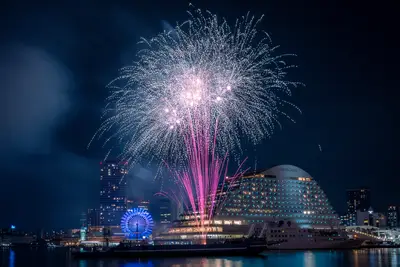
Kobe Port Weekend Fireworks 2026–27 | Weekend Fireworks off Meriken Park
Meriken Park
Next 11/28 +4 more
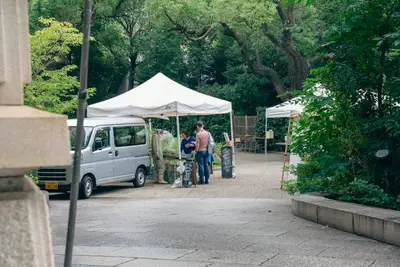
EAT LOCAL KOBE Farmers Market
North area of Higashi Yuenchi Park, Chuo-ku, Kobe
10/10 - 11/30
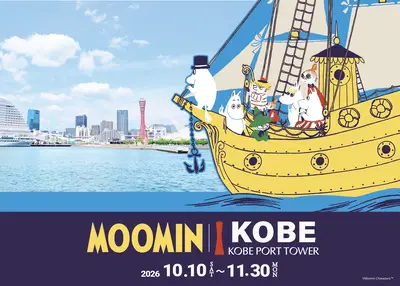
Moomin × Kobe Port Tower: a part of KOBE
Kobe Port Tower and 20+ locations across Kobe