- Suggested Duration
- About 30 min
- Accessibility
- Close to station and easy to walk
Photo Gallery
Nankinmachi (Chinatown) : Things to See & Do
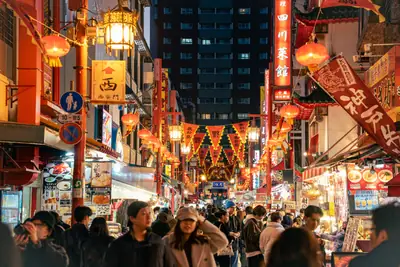
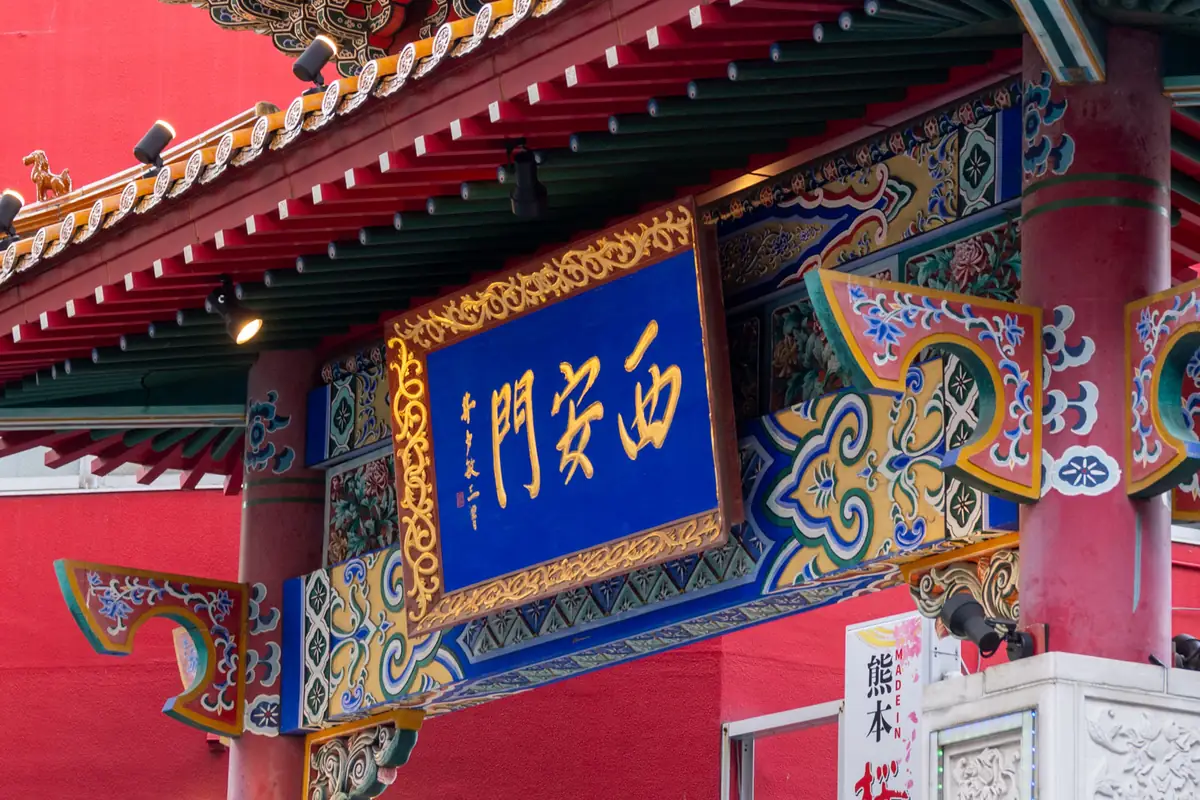
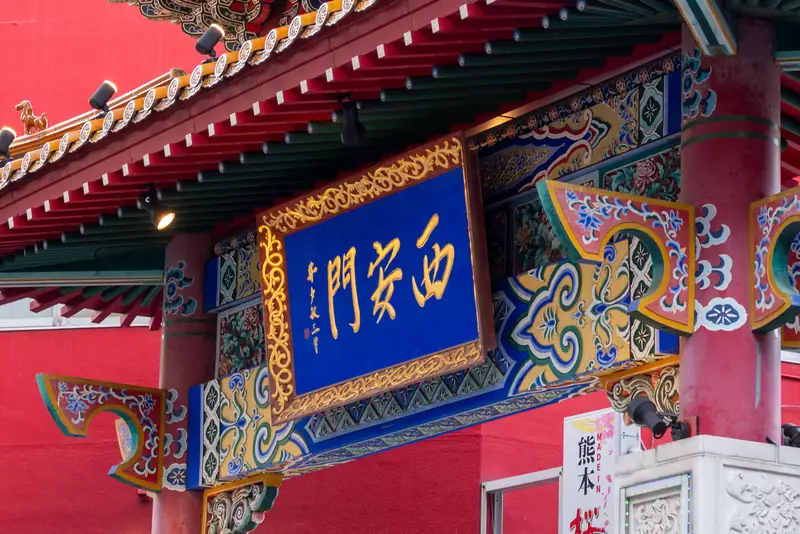
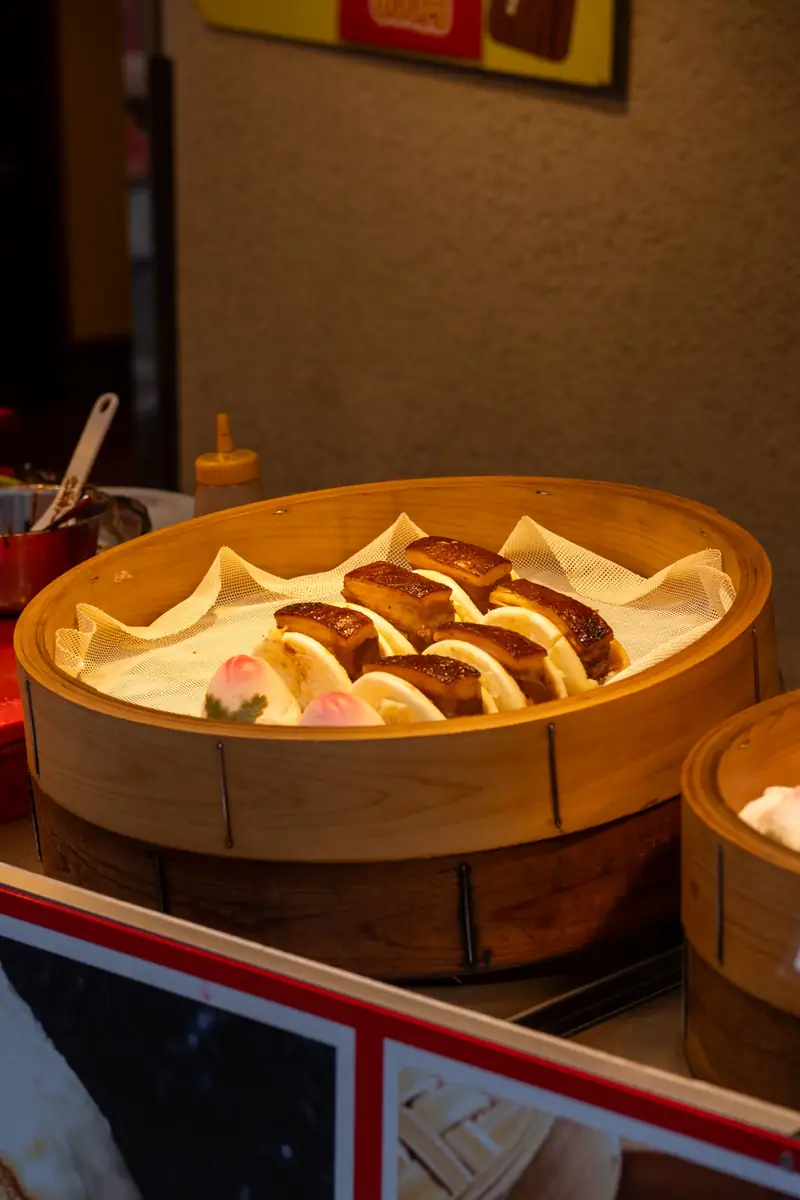
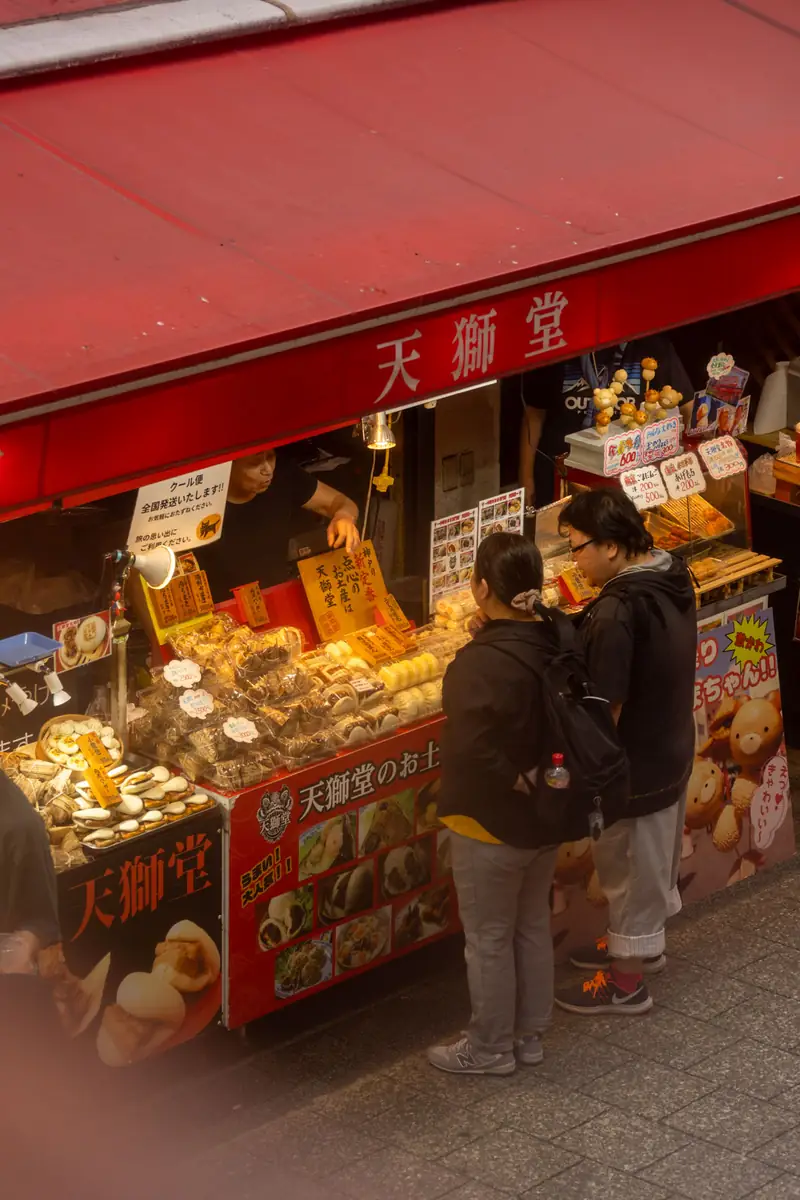
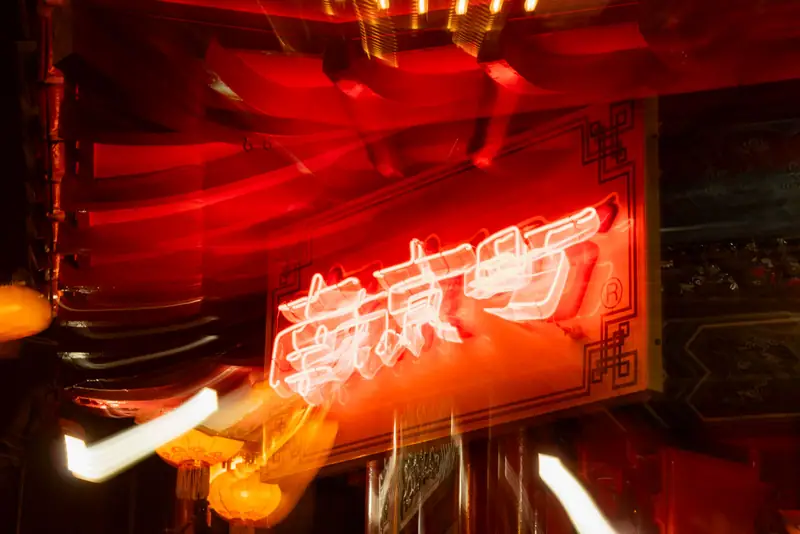
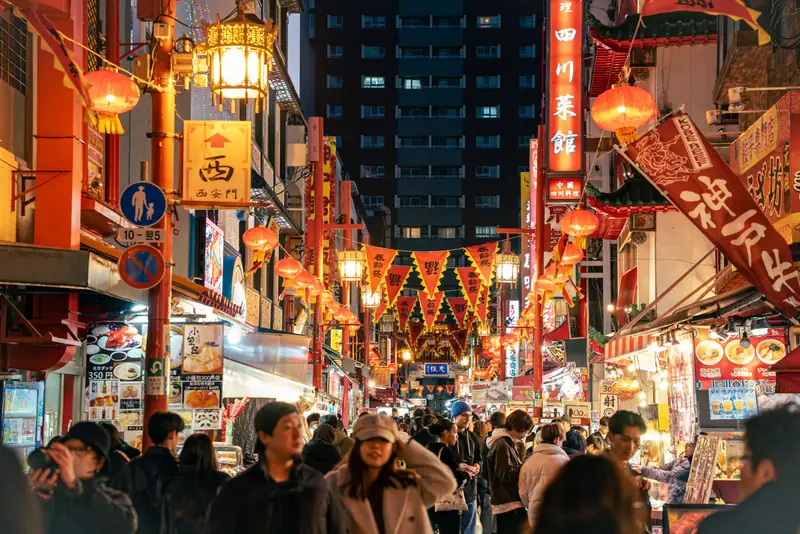
Nankinmachi in Motomachi, Kobe, stands alongside Yokohama and Nagasaki as one of Japan's three major Chinatowns. Within a compact grid of roughly 200 meters east-west and 110 meters north-south, over 100 shops crowd together in a vivid landscape of red and gold. The four-pillar 'Chang'an Gate,' built in 1985, frames the entrance, while the central pavilion known as the 'Azumaya' remains an endlessly photographed landmark. Nankinmachi's history traces back to the opening of Kobe Port in 1868. As foreign trade flourished, Chinese merchants settled here, forming the organic community that became today's Chinatown. Rebuilt repeatedly after World War II and the 1995 Great Hanshin Earthquake, its resilience gives it a depth beyond mere tourist spectacle. Street food is the main event. Xiaolongbao, pork buns, Peking duck rolls, sesame balls, and almond tofu drinks — all designed for hand-held enjoyment — line the alleys. Weekends bring long queues, but weekday mornings are comparatively relaxed, ideal for leisurely comparison-shopping between vendors. For a sit-down experience, established restaurants serve dim sum sets and full-course Chinese meals worth the extra time. During Chinese New Year (Spring Festival), the decorations intensify dramatically — lion dances, dragon dances, and firecrackers transform the street into a full cultural immersion. This is Nankinmachi at its most electrifying. On an ordinary day you can circle the whole area in about 30 minutes, but combining street food with photography easily stretches a visit to one or two hours. Paired with a stroll through Motomachi and the Old Foreign Settlement, it's an unmissable highlight of any Kobe itinerary.
Street Food
Xiaolongbao, pork buns, and more
Exotic Atmosphere
Streets lined with red gates and lanterns
Festivals and Events
Traditional Chinese events like Spring Festival
Nankinmachi (Chinatown) : Photo Spots & Tips
Best Shots
- — Front view of Chang'an Gate
- — Atmosphere of streets with lanterns
- — Close-up of street food
Best Timing
- — Around noon (lively and photogenic)
- — Weekend crowds
- — During festival periods
Weekends are crowded; weekday mornings recommended
Access
3-min walk from Motomachi Station
Frequently Asked Questions
How do I get to Nankinmachi? Can I take a train?
What are Nankinmachi's opening hours? Are there any days it's closed?
What are the must-try street foods here?
When is the Spring Festival (Chinese New Year) event? What are the highlights?
Are there other sights nearby that I can visit together?
What's the best time to visit to avoid crowds?
Routes
Routes Including This Spot
- Best Time
- Around noon (lively and photogenic)
- Suggested Duration
- About 30 min
- Accessibility
- Close to station and easy to walk