Nagata Shrine
Home / Tourist Spots / History
History · Culture · Photography

Nagata Shrine

長田神社

A historic shrine in Nagata Ward, Kobe, enshrining Kotoshironushi (Ebisu), long revered as a protector of commerce, industry, and fortune. It is affectionately called "Nagata-san." Recently, it gained renewed attention as a filming location for Netflix’s "Alice in Borderland" Season 3.

Opening Hours
Apr–Sep: 5:00–18:00 / Oct–Mar: 6:00–18:00
cost
Free to visit. Goshuin (shrine stamp) costs 500 yen (several types).
Suggested Duration
About 30 min
Best Time
Especially atmospheric during the February Setsubun Tsuina ceremony or in the autumn evenings.
Accessibility
The grounds are relatively flat and walkable, but it can be crowded during peak times or events.

Photo Gallery

Nagata Shrine 1
1 / 5

Nagata Shrine : Things to See & Do

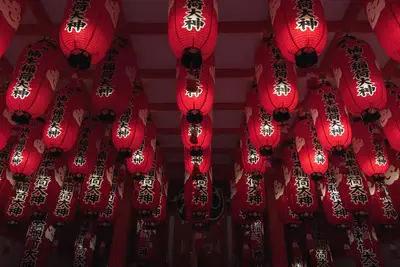
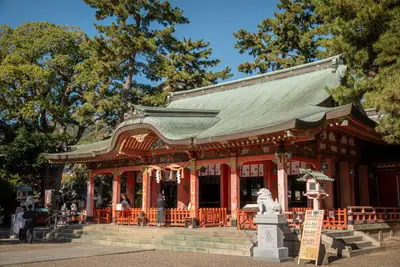
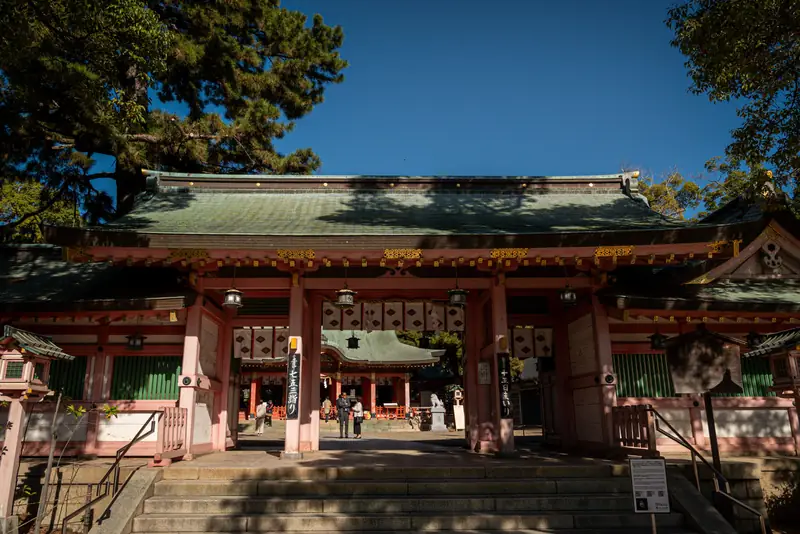
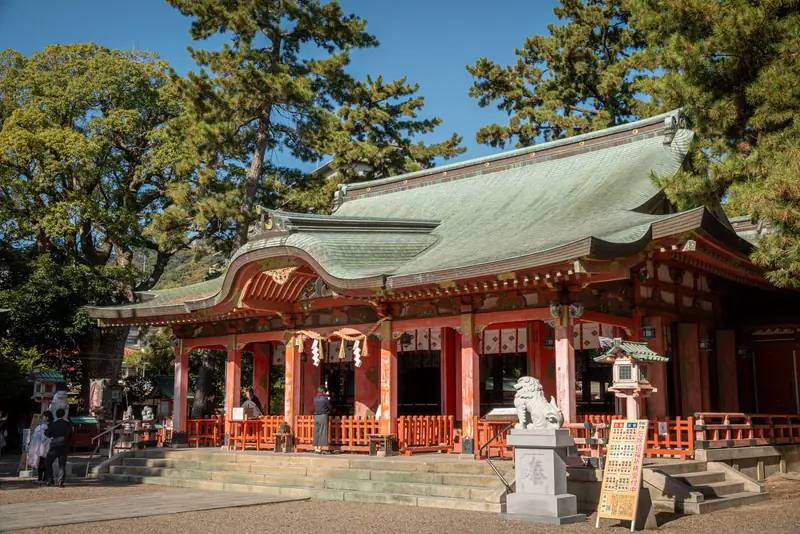
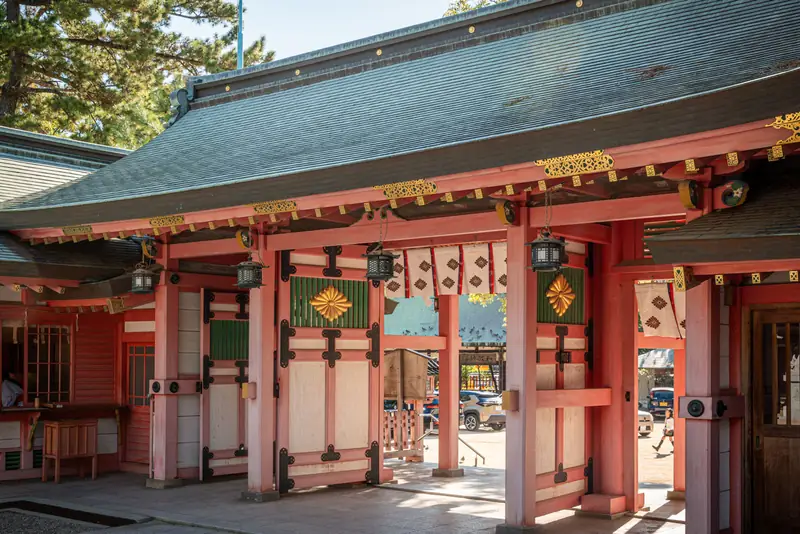
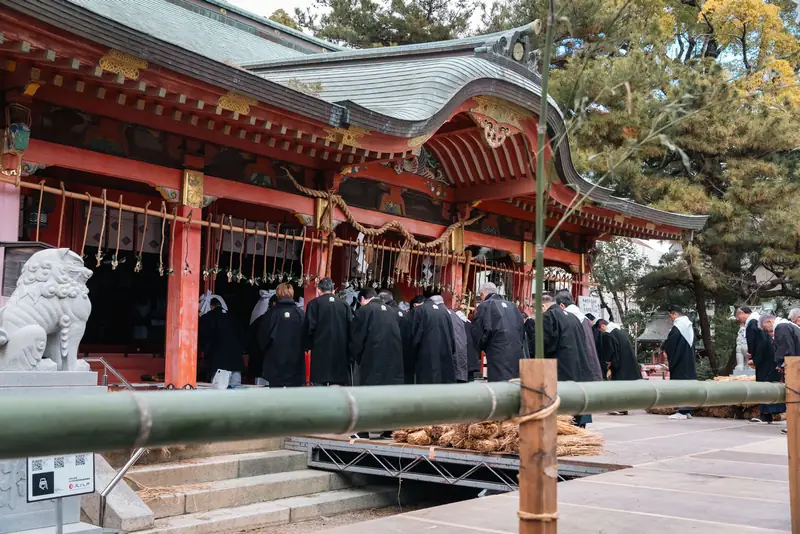
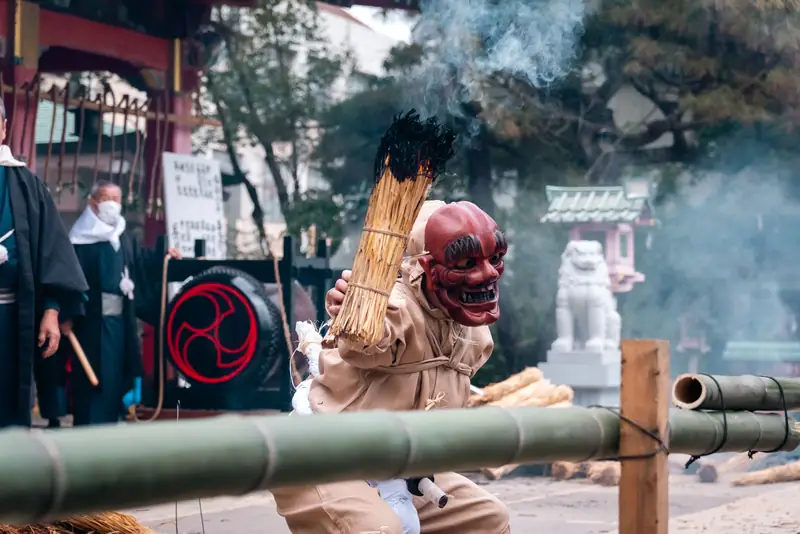
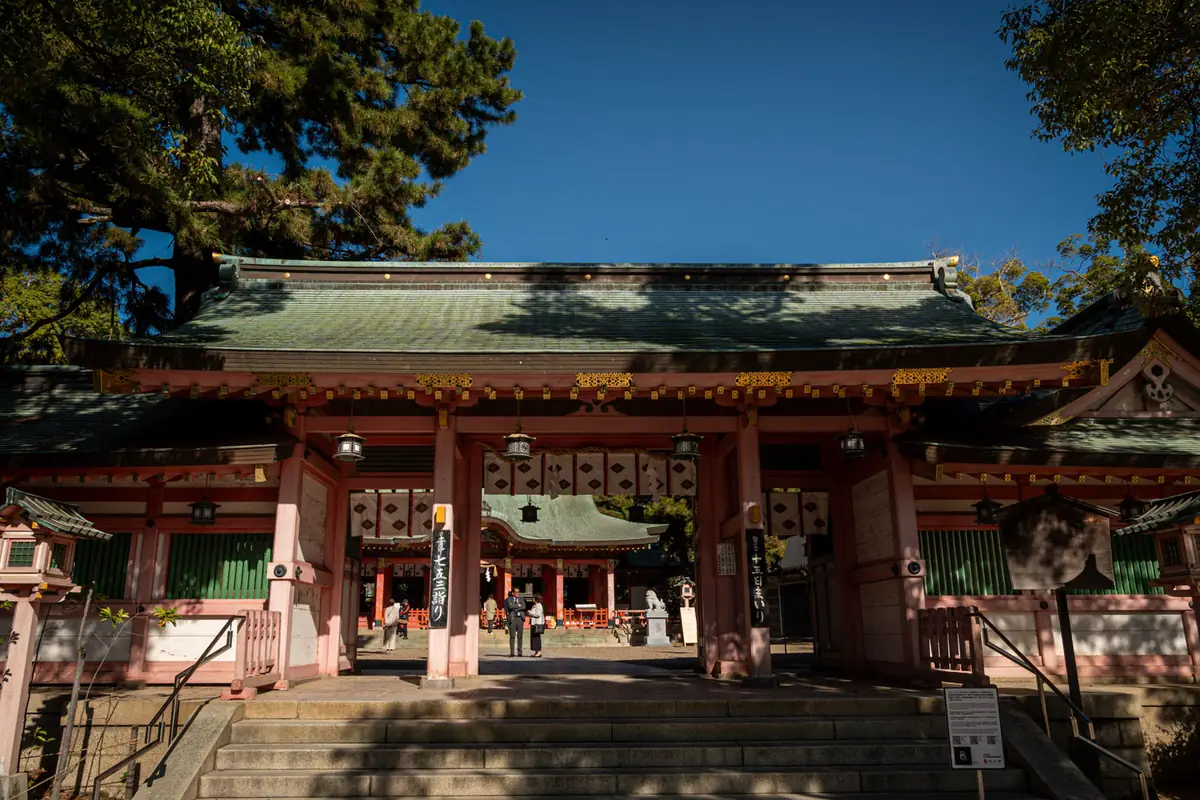
Nagata Shrine is one of Kobe's Three Great Shrines, known affectionately to locals as Nagata-san for generations. Its founding is traditionally dated to AD 201 — long before the city of Kobe existed — and it has watched over this community through centuries of change. The principal deity is Kotoshironushi no Mikoto, also known as the god Ebisu, revered for blessings in commerce, industry, and protection from misfortune. For the craftsmen and manufacturers of Nagata Ward who powered Kobe's industrial backbone, this shrine was the spiritual anchor of their working lives. Entering the grounds, the first thing that commands attention is the sacred camphor tree — five meters in trunk circumference, thirty meters tall, and thought to be several centuries old. The ancient Tsuina Ceremony held each February at Setsubun traces its roots to the Muromachi period: demons swing torches to burn away misfortune, and worshippers receive sacred ash for purification. It is one of Kobe's most distinctive traditional rituals. In 2025, the shrine drew attention as a filming location for Netflix's Alice in Borderland Season 3. The shrine was used as a filming location for Alice in Borderland Season 3. The rōmon gate resembles what you see in the drama, though the overall atmosphere of the grounds feels quite different. Multiple goshuin (shrine stamp) designs are available for collectors. Among Kobe's Three Great Shrines, Nagata has the most grounded, neighbourhood feel — a place of genuine local faith rather than a tourist stage.

🌲

Giant Sacred Camphor Tree

With a trunk circumference of ~5 m and height around 30 m, this camphor tree is an iconic object of reverence at the shrine.

🎥

Alice in Borderland Filming Location

A filming location for Netflix's Alice in Borderland Season 3. The rōmon gate resembles what appears in the drama, though the overall grounds feel quite different.

🔥

Traditional Tsuina Ceremony (Setsubun)

A Tsuina ritual dating from the Muromachi period: demons swing torches to burn away misfortune, and worshippers receive the ash for purification.

Nagata Shrine : Photo Spots & Tips

Best Shots

  • — Frontal shot of the red torii and main hall
  • — Looking up at the giant camphor tree
  • — Evening view of the gate and shrine atmosphere from outside

Best Timing

  • — During the Tsuina ceremony in early February (Setsubun)
  • — Autumn evenings, when the light filters through the trees
  • — Nighttime, especially if there are special events

Access

About a 5‑minute walk from Nagata Station (subway) or Kosoku‑Nagata Station.
City buses (lines 3, 4, 17) stop at “Nagata Shrine‑mae.”

FAQ

How do I get to Nagata Shrine?
About a 5-minute walk from Nagata Station (Kobe Municipal Subway Seishin-Yamate Line) or Kousoku Nagata Station (Kobe Electric Railway). By bus, alight at the Nagata Jinja-mae stop. There is no on-site parking; use nearby coin car parks.
What are the visiting hours and when can I receive a goshuin?
The shrine grounds are open 24 hours. The shrine office (for goshuin and amulets) is open approximately 9:00–17:00. In addition to the standard goshuin, seasonal limited editions are sometimes available. Check the official website or social media for the latest information.
What are Kobe's Three Great Shrines?
The Three Great Shrines of Kobe are Ikuta Shrine, Nagata Shrine, and Minatogawa Shrine. Ikuta is known for love and good fortune; Nagata for commercial success and warding off evil; and Minatogawa for military virtue, enshrining the loyal general Kusunoki Masashige.
When is the Tsuina Ceremony held?
The ceremony is held on Setsubun Day in early February each year. Dating back to the Muromachi period, demons carrying torches run through the shrine grounds while worshippers receive ash for purification. It draws large crowds, so arriving early is recommended.
When is the shrine most crowded?
The shrine is most crowded during Hatsumode (New Year's, January 1–3) and Setsubun (early February). On regular days, weekday mornings offer the most peaceful experience. Since the Netflix drama aired, international visitors have increased, particularly around midday on weekends.
Where was the Netflix drama filmed at the shrine?
Nagata Shrine was used as a filming location. The rōmon gate resembles what appears in the drama, though the overall atmosphere of the grounds is quite different.

MAP

Events

What to do in Kobe this weekend?

View Recommended Events

Nearby Spots

Where to go after Nagata Shrine

Mount Takatori

Mount Takatori

Mount Takatori is a 328-meter mountain in Kobe, ideal for beginners and easily accessible from nearby stations. The summit can be reached in about 30–40 minutes, with traditional teahouses along the trail and scenic views over Kobe city and Osaka Bay.

Distance: 1.7 kmWalk: About 25 min
NaturePhotography
Tetsujin Hiroba (Tetsujin 28 Monument)

Tetsujin Hiroba (Tetsujin 28 Monument)

A landmark plaza in Shin-Nagata featuring a giant 18-meter monument of Tetsujin 28, the iconic robot from the manga by Kobe-born artist Mitsuteru Yokoyama. The plaza is also a popular venue for local festivals and events.

Distance: 1.7 kmWalk: About 25 min
HistoryPhotography
Minatogawa Park

Minatogawa Park

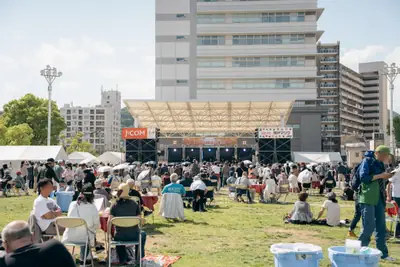
A landmark urban park in Kobe's Hyogo ward, right beside the Shinkaichi district. Opened in 1911, it is one of Kobe's oldest parks and features a bronze statue of the medieval warrior Kusunoki Masashige. An everyday gathering place for locals, it also hosts major events such as the Shinkaichi Music Festival and the Minatogawa Park Handmade Market. Directly connected to the station, it makes a handy base for exploring the area.

Distance: 2.1 kmWalk: About 31 min
ParkHistory
Great Buddha of Hyogo (Hyogo Daibutsu)

Great Buddha of Hyogo (Hyogo Daibutsu)

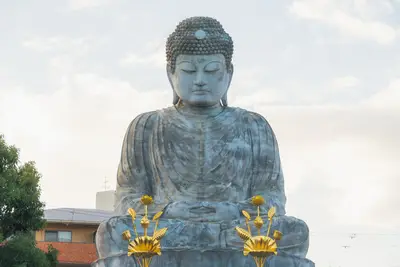
The Great Buddha of Hyogo is an 18-meter seated Amida Buddha and one of Japan’s Three Great Buddha statues. Standing within Nofukuji Temple, it rivals the Buddhas of Nara and Kamakura. Beneath the statue lies a serene hall enshrining over 4,000 memorial figures, offering a deeper spiritual experience beyond its impressive exterior.

Distance: 2.3 kmWalk: About 34 min
CultureHistory
Noevir Stadium Kobe

Noevir Stadium Kobe

Home stadium of Vissel Kobe. The close proximity to the pitch lets you feel the players' intensity. Beyond soccer matches, it's Kobe's entertainment hub hosting numerous concerts and events.

Distance: 2.7 kmWalk: About 40 min
Entertainment
Minatogawa Shrine

Minatogawa Shrine

A historic shrine in Kobe's Chuo Ward. Known for enshrining Kusunoki Masashige, a loyal retainer from the Nanboku-cho period, it is affectionately called 'Nanko-san' by locals. The shrine grounds offer a serene atmosphere that calms visitors' hearts.

Distance: 2.9 kmWalk: About 43 min
History

Explore

Explore More of Kobe

View All Features →