
Historical Spots & Shrines in Kobe 14 spots
Kobe is known as a port city opened to the world in 1868, but its history runs far deeper — Ikuta Shrine, Minatogawa Shrine, the Great Buddha of Hyogo. From Western residences to ancient tombs.
History 14
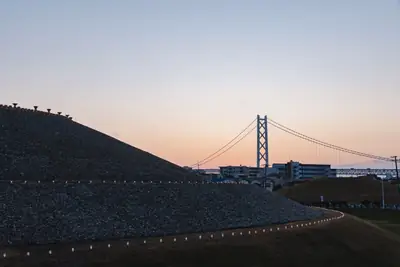
Goshikizuka Kofun & Museum
The largest keyhole-shaped burial mound in Hyogo Prefecture. The 194-meter mound overlooks the Akashi Strait from a hilltop. Opened in 1975 as Japan's first restored ancient tomb, and in April 2026 the adjacent Goshikizuka Kofun Museum opened. Explore ancient history through haniwa exhibits, hands-on activities, and an AR terrace. Free admission.
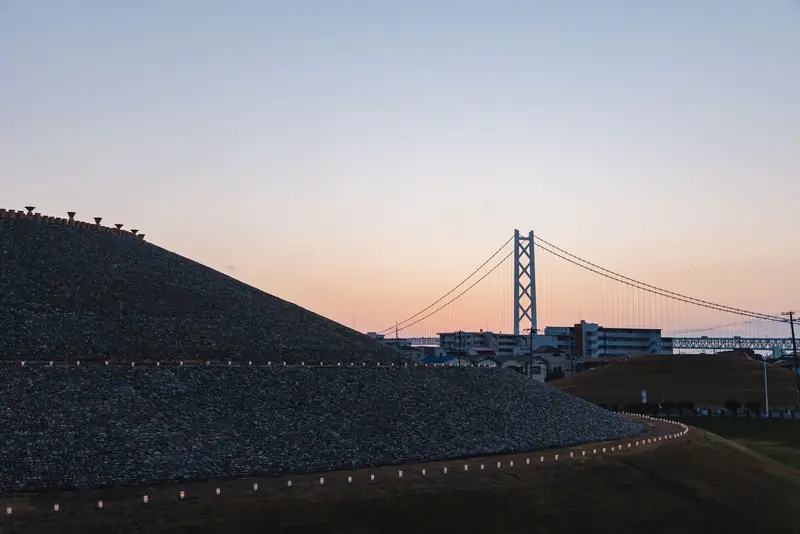
Goshikizuka Kofun & Museum
The largest keyhole-shaped burial mound in Hyogo Prefecture. The 194-meter mound overlooks the Akashi Strait from a hilltop. Opened in 1975 as Japan's first restored ancient tomb, and in April 2026 the adjacent Goshikizuka Kofun Museum opened. Explore ancient history through haniwa exhibits, hands-on activities, and an AR terrace. Free admission.
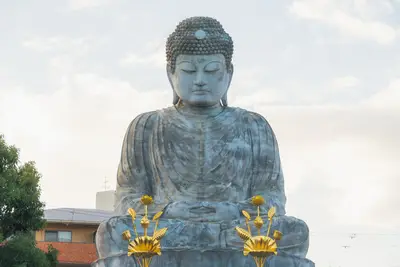
Great Buddha of Hyogo (Hyogo Daibutsu)
The Great Buddha of Hyogo is an 18-meter seated Amida Buddha and one of Japan’s Three Great Buddha statues. Standing within Nofukuji Temple, it rivals the Buddhas of Nara and Kamakura. Beneath the statue lies a serene hall enshrining over 4,000 memorial figures, offering a deeper spiritual experience beyond its impressive exterior.
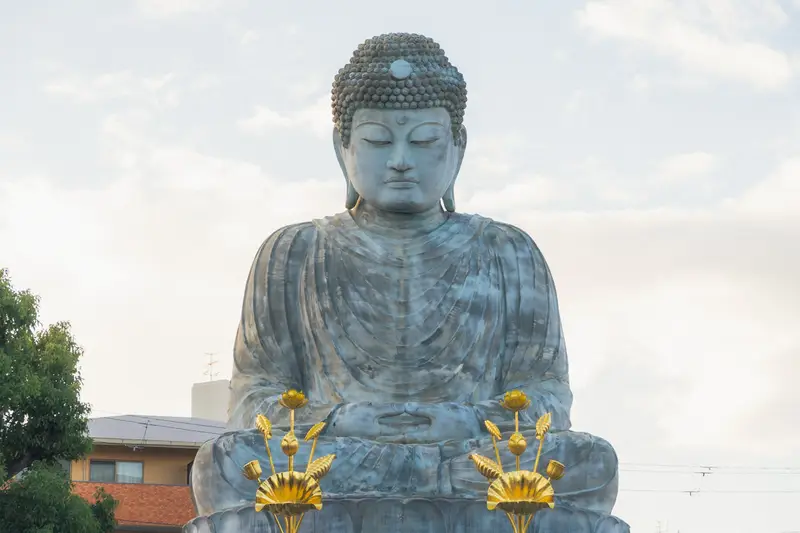
Great Buddha of Hyogo (Hyogo Daibutsu)
The Great Buddha of Hyogo is an 18-meter seated Amida Buddha and one of Japan’s Three Great Buddha statues. Standing within Nofukuji Temple, it rivals the Buddhas of Nara and Kamakura. Beneath the statue lies a serene hall enshrining over 4,000 memorial figures, offering a deeper spiritual experience beyond its impressive exterior.
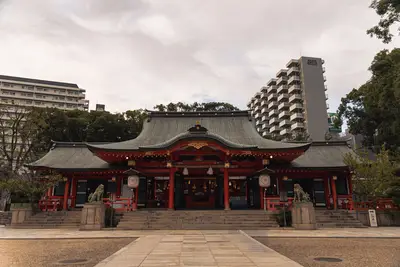
Ikuta Shrine
A historic shrine that gave Kobe its name. Known for matchmaking blessings, its lush grounds provide a peaceful retreat in the city center. The beautiful vermillion gate makes it Kobe's premier power spot.
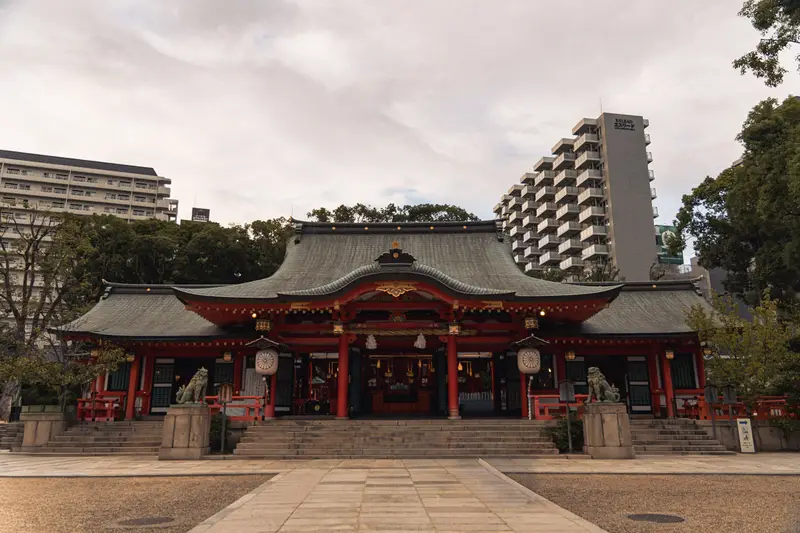
Ikuta Shrine
A historic shrine that gave Kobe its name. Known for matchmaking blessings, its lush grounds provide a peaceful retreat in the city center. The beautiful vermillion gate makes it Kobe's premier power spot.
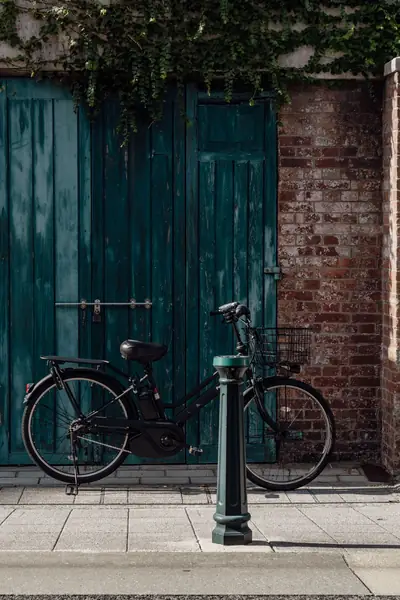
Kitano Ijinkan District
Historic district lined with exotic Western-style houses
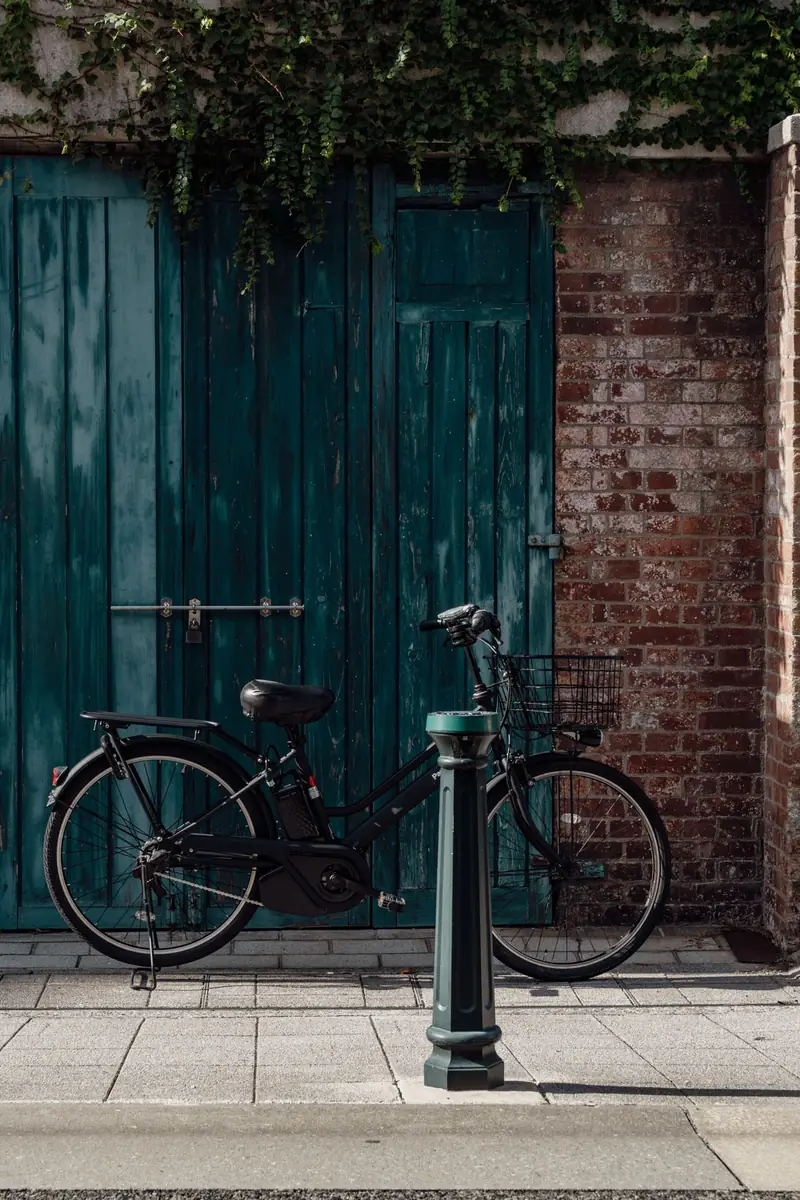
Kitano Ijinkan District
Historic district lined with exotic Western-style houses
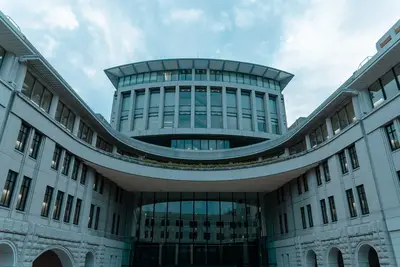
Kobe Customs
A landmark customs building overlooking Kobe Port. Visitors can tour only the Old Building entrance hall, the Public Relations Exhibition Room, and the courtyard; the second floor is not open to the public. The exhibition introduces the history of customs operations and anti-smuggling efforts.
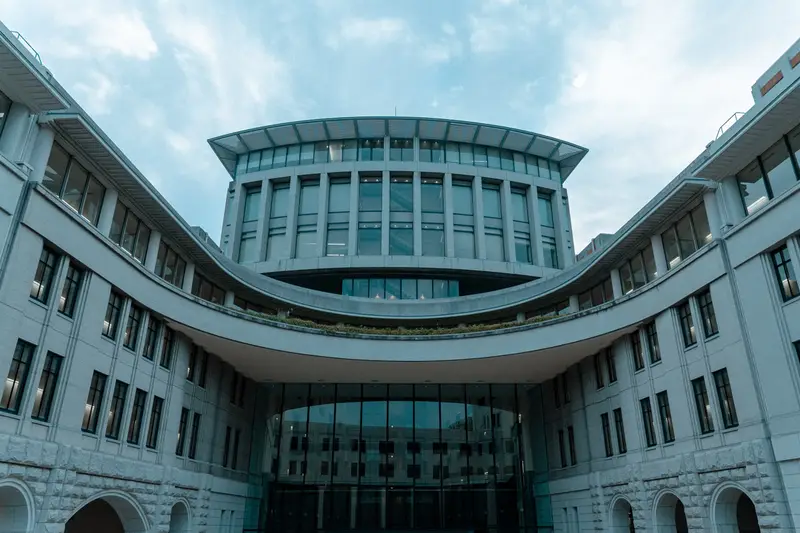
Kobe Customs
A landmark customs building overlooking Kobe Port. Visitors can tour only the Old Building entrance hall, the Public Relations Exhibition Room, and the courtyard; the second floor is not open to the public. The exhibition introduces the history of customs operations and anti-smuggling efforts.
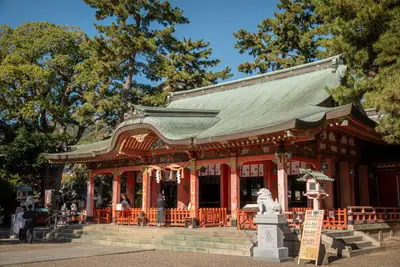
Nagata Shrine
A historic shrine in Nagata Ward, Kobe, enshrining Kotoshironushi (Ebisu), long revered as a protector of commerce, industry, and fortune. It is affectionately called "Nagata-san." Recently, it gained renewed attention as a filming location for Netflix’s "Alice in Borderland" Season 3.
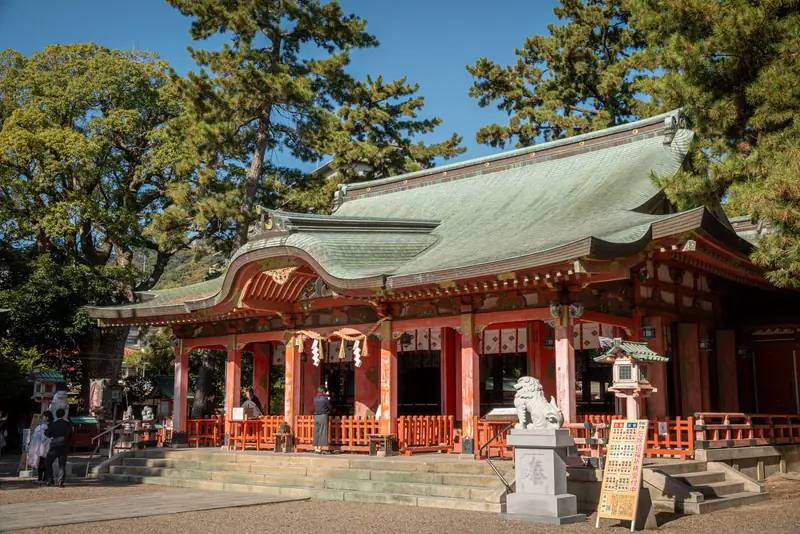
Nagata Shrine
A historic shrine in Nagata Ward, Kobe, enshrining Kotoshironushi (Ebisu), long revered as a protector of commerce, industry, and fortune. It is affectionately called "Nagata-san." Recently, it gained renewed attention as a filming location for Netflix’s "Alice in Borderland" Season 3.
Kobe Renga Soko (Red Brick Warehouses)
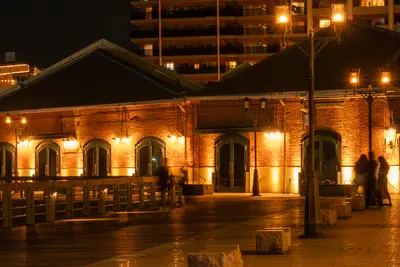
A waterfront complex reborn from two red-brick warehouses standing along Kobe's port. The buildings that once held the harbor's cargo now house restaurants, cafes, design shops, and photo studios. Their solid walls — laid in the English brick bond — are the signature feature, and it's a short seaside walk from Harborland's Mosaic. Historic by day and warmly lit by night, it's a spot made for a stroll and a few photos.
Kobe Renga Soko (Red Brick Warehouses)
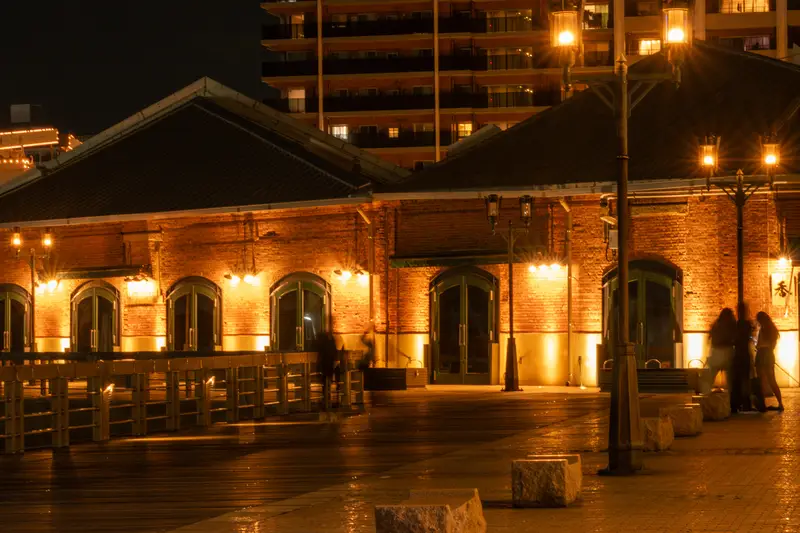
A waterfront complex reborn from two red-brick warehouses standing along Kobe's port. The buildings that once held the harbor's cargo now house restaurants, cafes, design shops, and photo studios. Their solid walls — laid in the English brick bond — are the signature feature, and it's a short seaside walk from Harborland's Mosaic. Historic by day and warmly lit by night, it's a spot made for a stroll and a few photos.
Suma-ura Park
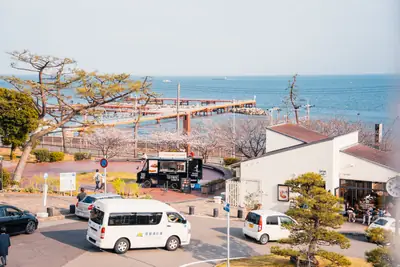
A park directly connected to Sanyo Electric Railway's Suma-ura Koen Station, overlooking the Seto Inland Sea. Known for approximately 1,000 cherry trees spreading across the hillside, it is one of Kobe's premier hanami destinations. The annual 'Atsumori Sakura' event offers daytime 'Hi-zakura' views of cherry blossoms against the sea and nightly projection mapping with illuminated night sakura. The mountain summit park can be reached by ropeway or the 'car-levator', a small hillside ride that climbs the slope.
Suma-ura Park
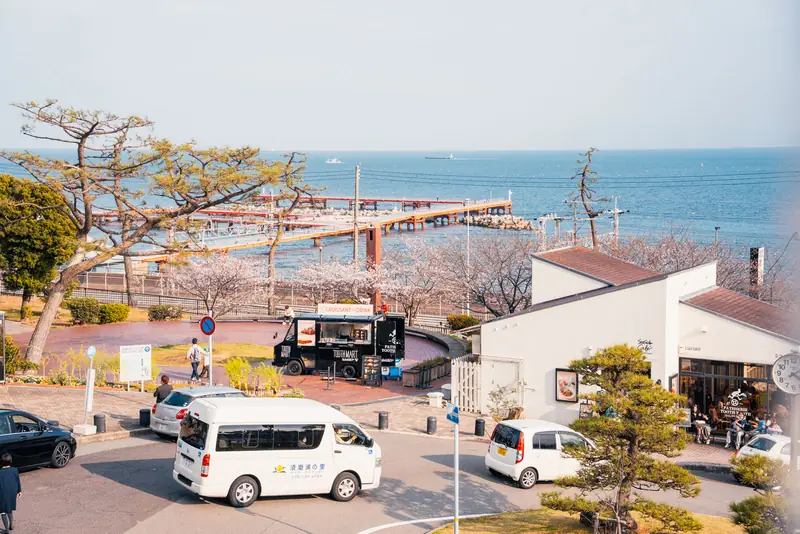
A park directly connected to Sanyo Electric Railway's Suma-ura Koen Station, overlooking the Seto Inland Sea. Known for approximately 1,000 cherry trees spreading across the hillside, it is one of Kobe's premier hanami destinations. The annual 'Atsumori Sakura' event offers daytime 'Hi-zakura' views of cherry blossoms against the sea and nightly projection mapping with illuminated night sakura. The mountain summit park can be reached by ropeway or the 'car-levator', a small hillside ride that climbs the slope.
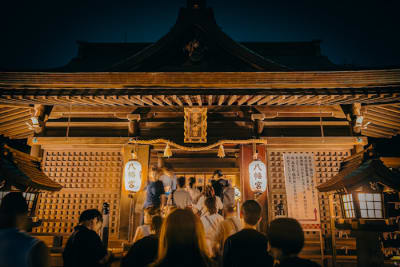
Tainohata Yakuyoke Hachimangu Shrine
Taibata Yakuyoke Hachimangu Shrine is revered as Japan’s oldest sacred site for warding off misfortune. Known affectionately as “Taibata no Yakujin,” it has long been a place of prayer for protection, health, and good fortune.

Tainohata Yakuyoke Hachimangu Shrine
Taibata Yakuyoke Hachimangu Shrine is revered as Japan’s oldest sacred site for warding off misfortune. Known affectionately as “Taibata no Yakujin,” it has long been a place of prayer for protection, health, and good fortune.
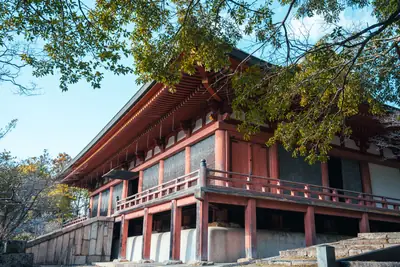
Taisan-ji Temple
A quiet ancient temple nestled in the rural mountains of Nishi-ku, Kobe. Said to have been founded in the Nara period, its main hall from the late Kamakura era is the only National Treasure building in Kobe city. Walking along the forest approach to the temple grounds, visitors are welcomed by beautiful cherry blossoms in spring and vibrant autumn foliage. A hidden gem about 30 minutes by car from central Kobe.
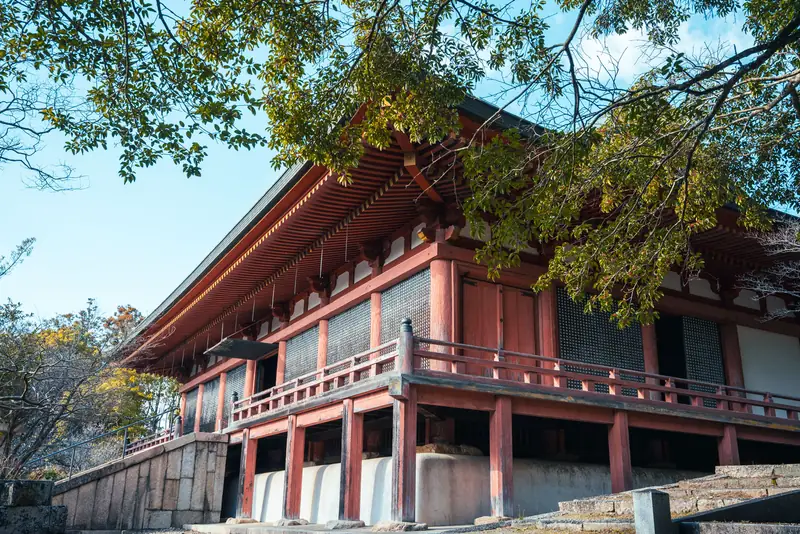
Taisan-ji Temple
A quiet ancient temple nestled in the rural mountains of Nishi-ku, Kobe. Said to have been founded in the Nara period, its main hall from the late Kamakura era is the only National Treasure building in Kobe city. Walking along the forest approach to the temple grounds, visitors are welcomed by beautiful cherry blossoms in spring and vibrant autumn foliage. A hidden gem about 30 minutes by car from central Kobe.
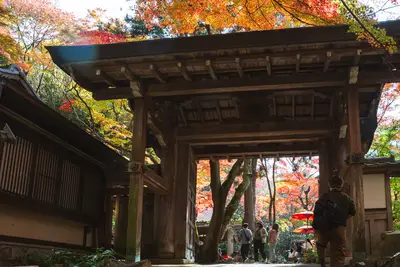
Zuihōji Park
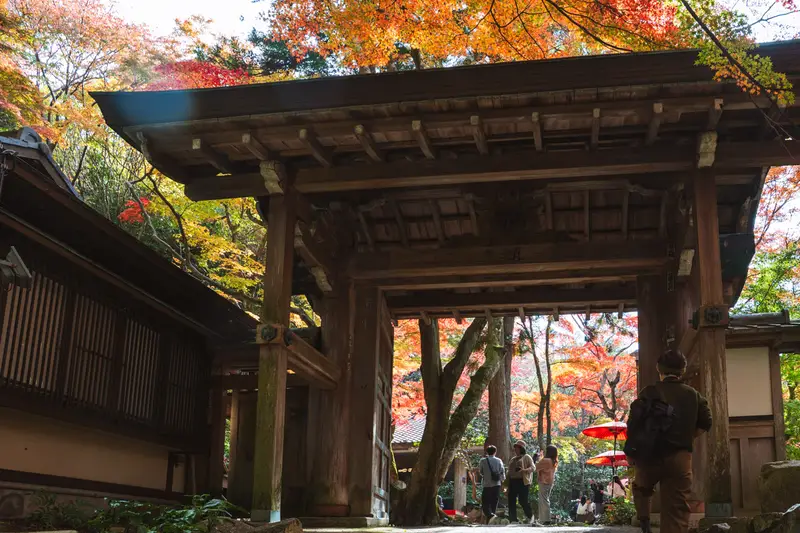
A famous maple-viewing spot near Arima Onsen, once praised by Toyotomi Hideyoshi as a 'garden of the world.' Around 2,000 maple trees create vibrant red and golden scenery in autumn, with the iconic 'Higurashi Garden' carpeted in fallen leaves.
Zuihōji Park
A famous maple-viewing spot near Arima Onsen, once praised by Toyotomi Hideyoshi as a 'garden of the world.' Around 2,000 maple trees create vibrant red and golden scenery in autumn, with the iconic 'Higurashi Garden' carpeted in fallen leaves.
Minatogawa Park
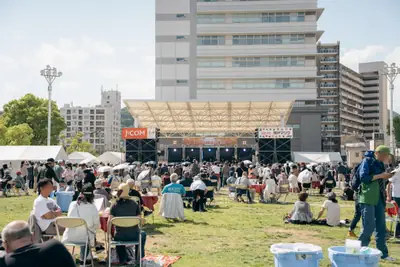
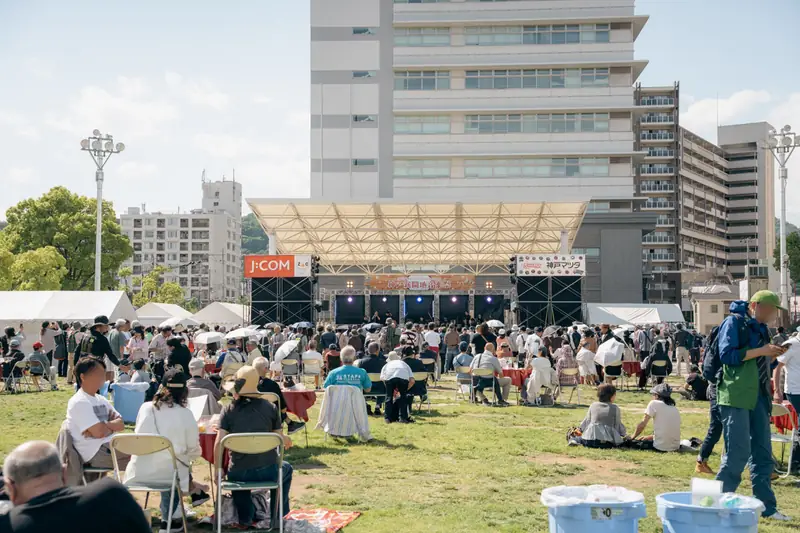
A landmark urban park in Kobe's Hyogo ward, right beside the Shinkaichi district. Opened in 1911, it is one of Kobe's oldest parks and features a bronze statue of the medieval warrior Kusunoki Masashige. An everyday gathering place for locals, it also hosts major events such as the Shinkaichi Music Festival and the Minatogawa Park Handmade Market. Directly connected to the station, it makes a handy base for exploring the area.
Minatogawa Park
A landmark urban park in Kobe's Hyogo ward, right beside the Shinkaichi district. Opened in 1911, it is one of Kobe's oldest parks and features a bronze statue of the medieval warrior Kusunoki Masashige. An everyday gathering place for locals, it also hosts major events such as the Shinkaichi Music Festival and the Minatogawa Park Handmade Market. Directly connected to the station, it makes a handy base for exploring the area.
Minatogawa Shrine
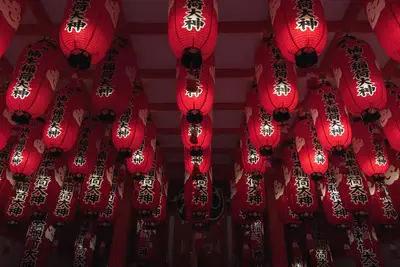
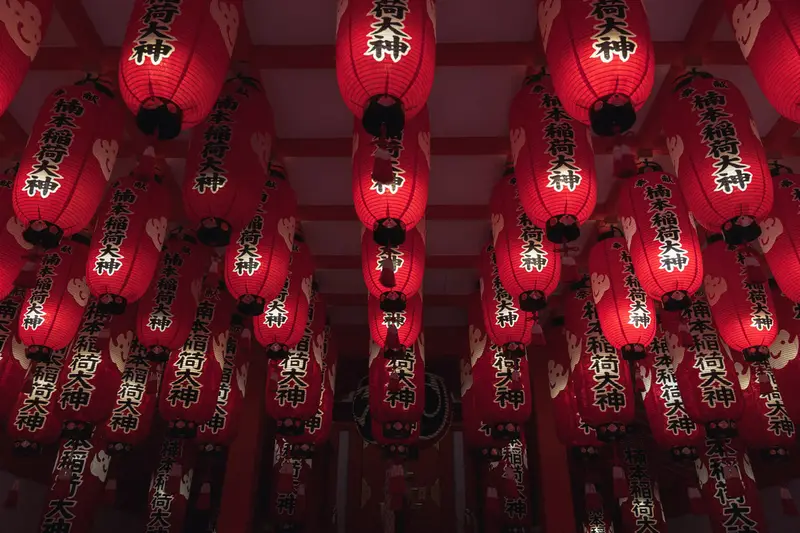
A historic shrine in Kobe's Chuo Ward. Known for enshrining Kusunoki Masashige, a loyal retainer from the Nanboku-cho period, it is affectionately called 'Nanko-san' by locals. The shrine grounds offer a serene atmosphere that calms visitors' hearts.
Minatogawa Shrine
A historic shrine in Kobe's Chuo Ward. Known for enshrining Kusunoki Masashige, a loyal retainer from the Nanboku-cho period, it is affectionately called 'Nanko-san' by locals. The shrine grounds offer a serene atmosphere that calms visitors' hearts.
Tetsujin Hiroba (Tetsujin 28 Monument)
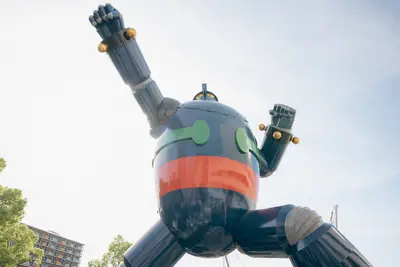
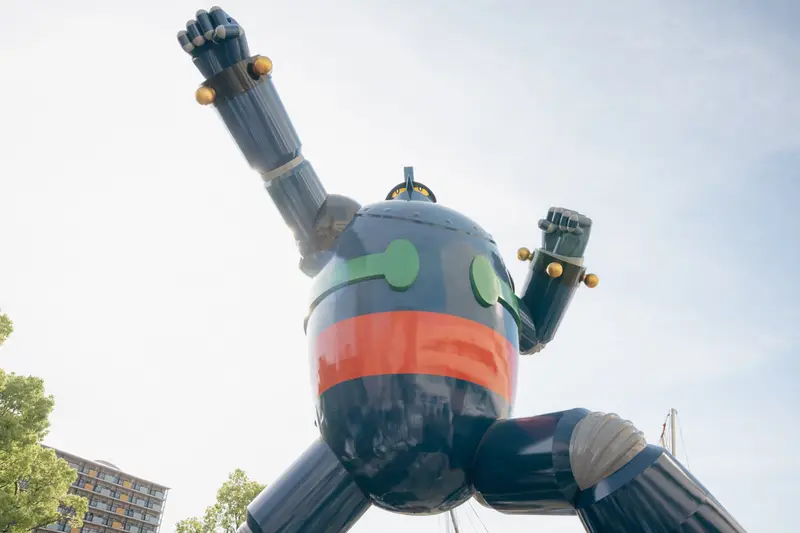
A landmark plaza in Shin-Nagata featuring a giant 18-meter monument of Tetsujin 28, the iconic robot from the manga by Kobe-born artist Mitsuteru Yokoyama. The plaza is also a popular venue for local festivals and events.
Tetsujin Hiroba (Tetsujin 28 Monument)
A landmark plaza in Shin-Nagata featuring a giant 18-meter monument of Tetsujin 28, the iconic robot from the manga by Kobe-born artist Mitsuteru Yokoyama. The plaza is also a popular venue for local festivals and events.