Afternoon Light Encountered in Kitano Ijinkan-gai
With each step up the slope, the town’s expression changes.
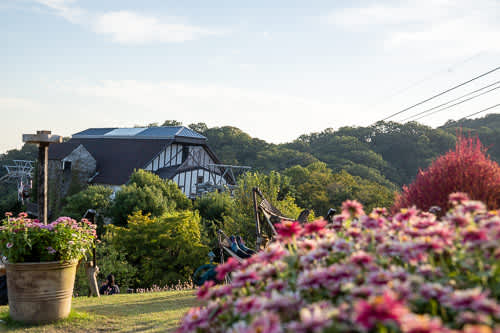
Kobe’s Kitano Ijinkan-gai. In this district where Western-style mansions from the Meiji era stand in rows, what I was searching for was “light.” After 2 PM, the soft light streaming through building walls transforms casual scenery into a single painting.
Camera in hand, I slowly climb the slope. As the wave of tourists begins to recede, quiet and peaceful time flows.
What Light Teaches Us
Walking through the streets of Kitano, you become sensitive to changes in light. The soft afternoon sunlight, different from the hard light of morning. Building shadows stretch long, drawing complex patterns on the cobblestones. The red brick walls of the Weathercock House take on a warm amber hue only during this time.

“Why is afternoon good?”—Because light begins to tell stories.
Morning light illuminates everything brightly, but afternoon light creates shadows. Those shadows give history to buildings, depth to streets, and emotion to photographs. Looking through the camera’s viewfinder, even the passage of time is captured there.
Stories Woven by the Slopes
Leaving the bustle of Sannomiya behind, I begin climbing Kitano-zaka.
After slowly finishing lunch at NOSTA, starting the walk around 3 PM is ideal. After this time, the wave of tour groups begins to recede. The slope does make you a bit breathless, but the sensation of your view opening up each time you look back is pleasant.

After about 15 minutes of walking, the Weathercock House comes into view. The earlier afternoon hours are still lively, but after 4 PM, the crowds start to thin. Standing in front of the building, I observe the movement of light for a while. Each time clouds move, the expression of the walls changes. I press the shutter only after waiting for that “perfect moment.”
Route Walked
| Time | Place | What I Felt There |
|---|---|---|
| 14:30 | NOSTA | Anticipation for the walk about to begin |
| 15:00 | Kitano-zaka | Gradually opening view, changing atmosphere |
| 15:30 | Weathercock House | Warm brick colors created by afternoon light |
| 16:00 | Around Uroko House | Beauty of shadows falling on cobblestones |
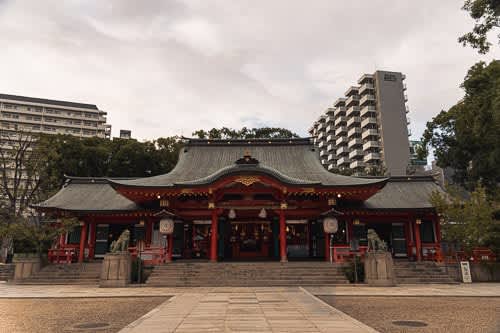
| 16:30 | Kitano Tenman Shrine | The town before dusk, viewed from the observatory |
This town is not meant to be rushed through. Stop, wait for the light, and converse with the landscape. Kitano teaches us this way of spending time.
Cafés as Refuges
Several small cafés are scattered throughout Kitano.
I couldn’t stop by this time due to time constraints, but just imagining the afternoon light streaming through café windows creates a reason to visit again. The Starbucks in Kitano Ijinkan is itself a cultural property. Nishimura Coffee is a quiet hideaway frequented by locals.
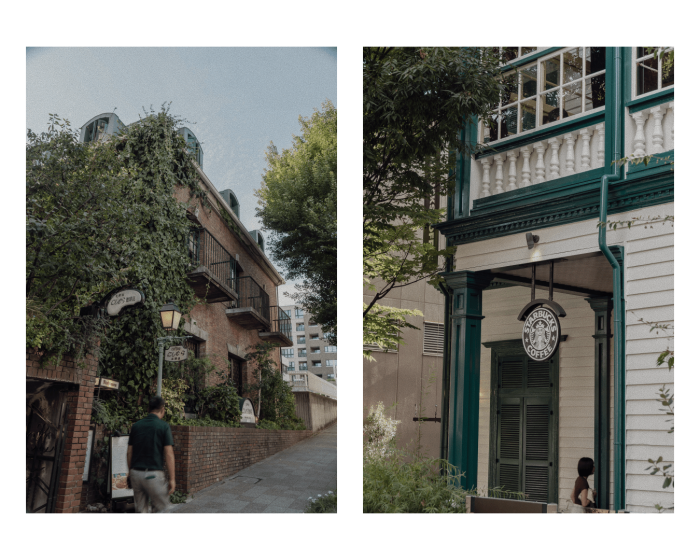
Cafés are like “punctuation marks” while walking through town. Sitting by the window, drinking coffee while gazing at the outside light. Such moments enrich travel memories.
Next time I visit Kitano, I’ll enter a café around 4 PM. Slowly turning pages in the light streaming through the window. I’d like to spend such an afternoon.
Landscapes That Shadows Tell
When taking photos, I focus more on shadows than light.
Walking around Uroko House, the shadows of trees falling on the cobblestones sway. Each time the wind blows, those shadows dance. Looking down at my feet, even my own shadow becomes part of the landscape.

Shadows capture time that exists only in that place. Even in the same location, shadow length differs between morning and afternoon. The angle changes with seasons. I think photographing shadows means capturing the uniqueness of that moment.
The View from Tenman Shrine
Standing at the observatory of Kitano Tenman Shrine, you can see all of Kobe.
After 4:30 PM, the sky is still blue, but the light gradually begins to soften. The sea spreading beyond the harbor, roads threading between high-rise buildings. The town viewed from here shows a completely different expression from when walking on the ground.
After finishing worship, I gaze at the landscape from the observatory for a while. By this time, tourists are sparse, and you can quietly enjoy the light. The sound of wind blowing through, the sounds of the town heard in the distance, and the landscape of light spreading before me.
Kitano Tenman Shrine closes at 5 PM, so visit with time to spare. This too is a way of spending time that Kitano teaches.

A Series of Small Discoveries
Walking through the streets of Kitano, small discoveries arrive one after another.
- The harbor light seen when looking back midway up the slope
- The blue sky reflected in the window glass of Western-style mansions
- Plants whose names I don’t know, growing from gaps in the cobblestones
- Afternoon shadows falling on café signs
These aren’t listed in tourist guides. They’re not marked on maps. But such small moments are what make travel memories special.
A Journey to Find Light
“Making Kobe Brighter”
I think this doesn’t mean flashy lighting or liveliness, but rather this kind of quiet light. Soft afternoon sunlight, depth created by shadows, time dissolving into the landscape.
Kitano Ijinkan-gai was the perfect place to search for such light.
By walking with a camera, you notice expressions of light that are usually overlooked. Stop, steady your breathing, and wait for that moment. Taking photographs is a series of such “waiting.”
Go Find Your Light
Next weekend, wake up a bit early and head to Kobe.
Start climbing the Kitano slopes around 3:30 PM. If you have a camera, you’ll surely find your own “light.” It might be a landscape, or it might be a shadow. Or perhaps a single beam of light streaming through a café window.
What’s important is not to rush. Light reveals itself only to those who wait.
Notes for Exploring Kitano
- Time to Visit: 3:30 PM to 5 PM (soft light, fewer crowds)
- Starting Point: NOSTA (in front of Sannomiya Station)
- Walking Distance: 2-3 hours at a leisurely pace
- What to Bring: Camera, comfortable shoes, a heart that doesn’t worry about time
- Places to Stop: Weathercock House, around Uroko House, Kitano Tenman Shrine, any café that catches your eye
- Weekdays recommended: Quieter than weekends for enjoying the light
Light is always there. It’s just a matter of whether you notice it or not.
On the slopes of Kitano, you might realize this too.
This article contains affiliate links.