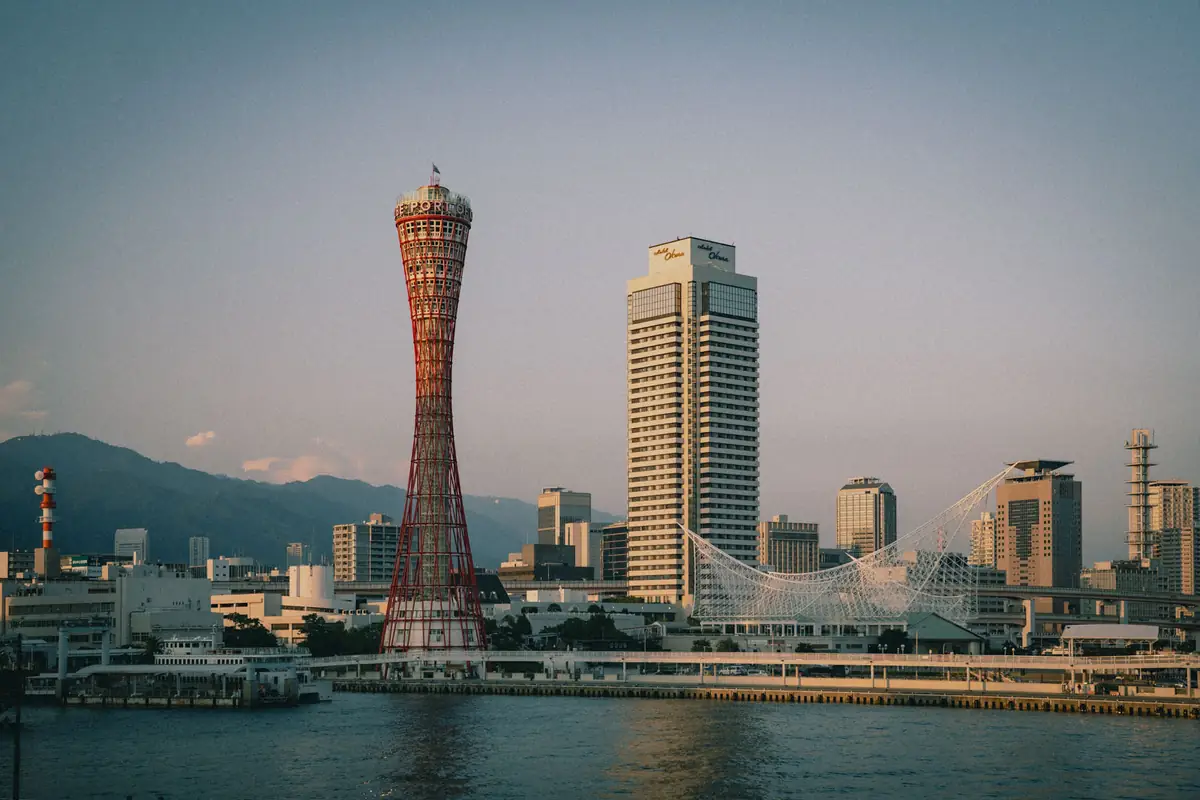
A port city with mountains and sea, international flair and deep Japanese heritage, world-class food and hidden nature trails. Kobe packs an extraordinary variety of experiences into a compact, walkable city.
This guide covers everything—from iconic sightseeing to under-the-radar spots, Kobe beef to Chinatown street food, city strolls to mountain escapes—so you can plan the Kobe trip that suits you perfectly.
Why Kobe?
Kobe is rare. Most cities are one thing: a beach town, a temple city, a shopping destination. Kobe is all of them at once.
The Rokko Mountains rise directly behind the city. The Seto Inland Sea spreads out in front. Between them, a 15-minute walk can take you from a Tadao Ando museum to a medieval Chinese gate to a European-style hilltop mansion. Add Kobe beef, craft beer, one of Japan’s three best night views, and a vintage covered market, and you have a city that consistently surprises.
It’s also the right size. Unlike Tokyo or Osaka, Kobe doesn’t overwhelm. The major sights cluster around Sannomiya, Motomachi, and the waterfront—all connected on foot or by a short subway ride.
01. Sightseeing | Kobe’s Iconic Landmarks
Meriken Park & Kobe Port Tower
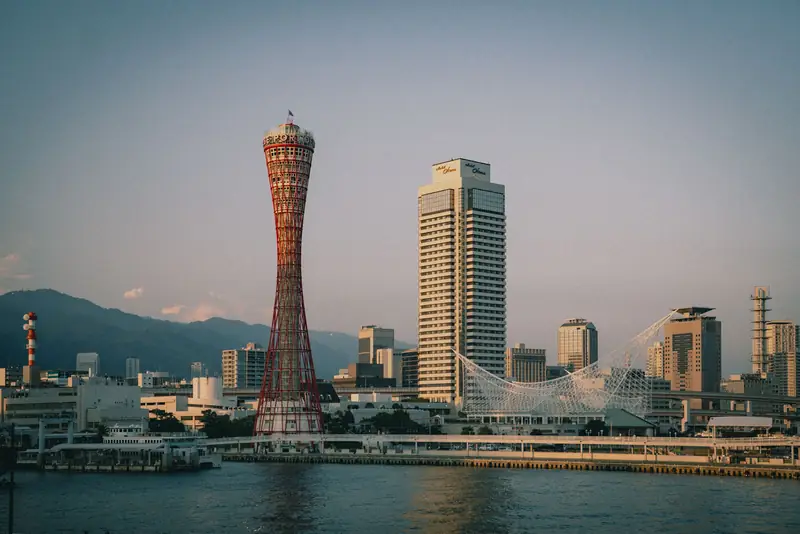
Start at the water. Meriken Park sits on the Kobe waterfront and gives you the city’s most recognizable view: the red Port Tower reflected in the harbor, Mount Rokko rising behind the skyline, and the open sea stretching toward Awaji Island.
The Port Tower (reopened 2024 after full renovation) offers 360-degree panoramic views from its observation floor. The rooftop deck brings you even closer to the sky. Book tickets in advance—weekend slots sell out quickly.
The BE KOBE monument on the park’s lawn is Kobe’s most-photographed spot. Visit around midday for front lighting, or at dusk when the whole waterfront glows.
- Best time to visit: Morning (for empty shots) or sunset (for the most dramatic light)
- Access: 15-min walk from JR Motomachi Station; 13-min walk from Port Liner Port Terminal Station
Kitano Ijinkan District

Kobe opened its port to foreign trade in 1868, and the merchants who arrived built their homes on the slopes north of the city. Those homes—Weathercock House, Uroko House, Ben House, and dozens more—still stand in the Kitano Ijinkan district, turning this hillside neighborhood into one of Japan’s most unusual streetscapes.
Each house represents a different national style: German timber framing, British red brick, French shuttered windows. Several are open to the public as museums. Others have been converted into cafes and shops. The Starbucks inside the renovated Kitano Monogatari-kan—a former Western-style residence—is one of the most atmospheric coffee stops in Japan.
The slope itself is part of the experience. Comfortable shoes are essential; the reward is an aerial view back over the city and harbor.
- Best time to visit: Morning or weekday afternoons to avoid crowds
- Access: 15-min walk from Sannomiya Station; City Loop Bus “Kitano Ijinkan” stop
Kyu-Kyoryuchi (Old Foreign Settlement)

Where Kitano was where foreigners lived, Kyu-Kyoryuchi was where they worked. The old foreign settlement, stretching between Motomachi and the waterfront, still feels like a corner of 19th-century Europe dropped into Japan. Meiji-era stone buildings line the streets. Gas lamps flicker at night. Daimaru Kobe—often called one of Japan’s most beautiful department stores—anchors the neighborhood with its Art Deco facade and marble interior.
At night, the gas-lit corridors surrounding Daimaru transform the area into something genuinely romantic. This is Kobe at its most cinematic.
- Best time to visit: Evening, when the gas lamps are lit
- Access: Direct access from Kobe Municipal Subway “Kyu-Kyoryuchi-Daimaru-mae Station”; 3-min walk from JR Motomachi Station
Kobe Harborland

Just west of Meriken Park, Harborland is the city’s main waterfront shopping and dining district. The ferris wheel, the mosaic-tiled Mosaic shopping complex, open-air decks with harbor views—it’s Kobe’s most accessible leisure zone.
For night views, head to Mosaic’s waterfront deck after 7 PM. The combination of Port Tower reflected on the water, the ferris wheel illumination, and the city skyline makes this one of the most photogenic spots in western Japan.
- Access: 5-min walk from JR Kobe Station; 3-min walk from Subway “Harborland Station”
02. Nature | Mountains, Falls & Gardens
Nunobiki Falls & Herb Garden

Fifteen minutes on foot from Shin-Kobe Shinkansen Station, the city gives way to ancient forest. Nunobiki Falls—counted among Japan’s three sacred waterfalls—consists of four falls flowing in succession through a narrow valley. The largest, Ontaki, drops 43 meters.
The contrast is what makes it remarkable. You can hear the Shinkansen from the trail. You can see office buildings through the trees. Yet the air is cool, the water is clear, and the sound of the city vanishes entirely.
Continue uphill and you’ll reach the Nunobiki Herb Garden, accessible by ropeway from Shin-Kobe Station. The garden sits at around 400 meters elevation, with panoramic views over the city and harbor. In spring, lavender and roses fill the terraced slopes.

- Falls access: 15-min walk from Shin-Kobe Station
- Herb Garden: Take the ropeway from Shin-Kobe Station (approx. 10 min ride)
Mt. Maya — Kikuseidai Observatory

At 700 meters above the city, Kikuseidai on Mt. Maya is one of Japan’s three best night views—a designation it has earned many times over. The carpet of lights below stretches from Kobe Port through Osaka and all the way to Kansai International Airport. On a clear night, the view is almost overwhelming.
The observatory is reached by cable car and ropeway from Sumiyoshi. Timing matters: arrive before dark to watch the city switch on, then stay as the lights settle into their full brilliance.
- Access: Cable car from Maya Cable “Nataniguchi Station” + ropeway; check last service times before going
- Best visit: Arrive 30 min before sunset; stay until full dark
Rokko Garden Terrace

Further west along the Rokko ridge, Rokko Garden Terrace sits at around 880 meters and offers a different perspective: open sky, European-style terrace cafes, and a bird’s-eye panorama that on clear days extends to Awaji Island and beyond. In summer it’s refreshingly cool; in winter it’s one of the best places in the region to see snow. The atmosphere is more relaxed than Kikuseidai—less oriented toward night views, more toward slow afternoons in the mountain air.
- Access: Bus from Rokko Cable “Rokko-Sanjo Station”; Rokko Arima Ropeway also connects to Arima Onsen
Sorakuen Garden

Hidden in the city center, a short walk from Motomachi, Sorakuen is a classical Japanese garden on the former estate of Meiji-era merchant Kodera Kenkichi. The garden’s centerpiece is the Funayakata, a boat-shaped building designated an Important Cultural Property.
What makes Sorakuen special is its serenity. It’s downtown, surrounded by the city, yet inside the garden walls the only sounds are water and birds. Cherry blossoms in spring, deep green moss in summer, turning maples in autumn, occasional snow in winter—it visits well in any season.
- Admission: ¥300 (adults)
- Access: 5-min walk from Subway “Kencho-mae Station”; 10-min walk from JR Motomachi Station
03. Food | What to Eat in Kobe
Kobe Beef
Kobe beef is the city’s most famous export—and it tastes better here than anywhere else. The beef comes from Tajima-gyu cattle raised in Hyogo Prefecture and must meet strict certification standards for marbling, weight, and quality. True Kobe beef is only available in certified restaurants, most of which are concentrated around Sannomiya and the Kitano area.
The classic preparation is teppanyaki, where the meat is cooked on an iron plate in front of you. A multi-course teppanyaki dinner is one of Kobe’s signature experiences. For a more casual introduction, beef sushi (nigiri topped with seared Kobe beef) and Kobe beef burgers are available at lower price points across the city.
Budget note: A proper teppanyaki dinner starts around ¥15,000–20,000 per person. For a more affordable first taste, lunch courses and standalone cuts at dedicated shops start from around ¥3,000–5,000.
Nankinmachi (Kobe Chinatown)

Kobe’s Chinatown—one of only three in Japan—clusters around a central plaza in Motomachi, just blocks from the waterfront. Roughly 100 shops and restaurants line the narrow streets, and eating your way through them is a Kobe rite of passage.
The best approach is street food: butaman (steamed pork buns) from Roushinki or Minmin, sesame balls, karaage, grilled skewers, egg tarts. The square fills with locals and tourists at lunch and dinner, but the energy is friendly rather than overwhelming.
A 10-minute walk takes you from Nankinmachi to Kyu-Kyoryuchi, making it a natural pairing for a Motomachi afternoon.
Kobe Sweets Culture
Kobe has one of Japan’s strongest dessert cultures, rooted in its history as a port city where European confectionery traditions took hold early. Several local specialties are worth knowing:
- Kobe pudding: Rich, egg-heavy custard pudding sold at cafes and specialty shops across the city
- Baumkuchen: Kobe is famous nationwide for its baumkuchen, particularly from makers like Zig and L’avenue
- Swissroll: Western Japan’s soft roll cakes are a gift shop staple, but many Kobe shops do exceptional versions
The Kitano area and Motomachi covered market (Motomachi Shopping Street) are the best hunting grounds for sweets.
04. Aquariums & Unique Attractions
atoa (Kobe Aquarium)

Opened in 2021 in a renovated historic warehouse near the Shinko Pier, atoa is unlike any aquarium you’ve visited. Photographer Mika Ninagawa designed the visual concept, and it shows: tanks are installed inside a Japanese garden, a baroque library, a sphere made of illuminated panels, and a space that feels more like an art installation than a nature exhibit.
The fish are extraordinary—moon jellyfish, nautilus, weedy sea dragons—but the experience of moving through the building is the real draw. Evening visits, when the lighting effects are fully operational, are particularly atmospheric.
- Hours: 9:00 AM–9:00 PM (last entry 8:00 PM)
- Admission: ¥2,400 (adults)—advance booking recommended on weekends
- Access: 15-min walk from JR Sannomiya Station; 8-min walk from Port Liner “Kobe Shinko Station”
Kobe Suma SeaWorld

Opened in June 2024 on the redeveloped Suma Beach, Kobe Suma SeaWorld is western Japan’s largest aquarium and one of the most ambitious new attractions in the Kansai region. The centerpiece is the orca program—killer whales in a massive facility with underwater viewing panels.
The surrounding area has been transformed into a promenade with cafes, lawns, and direct beach access. The adjacent hotel allows guests to stay within view of the marine exhibits. It’s a full-day destination in its own right, particularly suited for families.
- Access: 5-min walk from JR “Suma Kaihin Koen Station”
05. Art & Architecture
Hyogo Prefectural Museum of Art

Designed by Tadao Ando and completed in 2002, this museum on the Nada waterfront is itself an artwork. Ando’s signature exposed concrete, precisely controlled light, and geometric forms make the building a destination before you’ve seen a single painting.
The deck extending toward the sea and the outdoor Blue Apple sculpture are must-sees. As the light changes through the day—sharp morning shadows, soft afternoon glow, glittering evening reflections—the building shows completely different faces. Visit at dusk if you can.
The collection focuses on art since the Meiji period, with strong holdings in Western and Japanese works from the 20th century.
- Admission: Varies by exhibition (from ¥700)
- Access: 8-min walk from Hanshin “Iwaya Station”; 10-min walk from JR “Nada Station”
06. Day Trips | Beyond the City Center
Arima Onsen

Tucked into the north side of the Rokko Mountains, Arima Onsen is one of Japan’s oldest hot spring resorts—and remarkably, it sits less than 40 minutes from central Kobe by direct bus or ropeway.
Arima is famous for two types of spring water: kin-no-yu (gold spring), a reddish, iron-rich water that turns orange on contact with air; and gin-no-yu (silver spring), a clear, carbon-dioxide-rich water with a completely different character. Public baths for both are available at modest cost.
The village is small, atmospheric, and unchanged in character—narrow lanes, traditional inns, craft shops selling Arima baskets and toys. It works as a half-day add-on from Kobe or as an overnight ryokan stay.
- Access: About 30 min from Sannomiya by direct bus; Rokko Arima Ropeway from Rokko-Sanjo (scenic option)
Akashi Kaikyo Bridge

The world’s longest suspension bridge spans the Akashi Strait between Kobe and Awaji Island—nearly 4 kilometers, with towers reaching 298 meters. The scale is difficult to comprehend until you’re standing beneath it.
The best viewpoints are at Maiko Park and the Maiko Marine Promenade, a walkway suspended 47 meters above the water on the bridge’s undersides (accessible on guided tours). Looking back toward Kobe from the promenade is one of the most exhilarating views in the region.
At night, the bridge illumination changes color by day of the week—a detail best appreciated from the shore.
- Access: 5-min walk from JR “Maiko Station” or Sanyo Electric Railway “Maiko Koen Station”
📍 Akashi Kaikyo Bridge details
07. Seasonal Highlights
Kobe rewards visits in every season—but each offers something distinct:
| Season | Highlights |
|---|---|
| Spring (Mar–May) | Cherry blossoms at Sorakuen and Minatogawa Shrine; mild weather ideal for walking |
| Summer (Jun–Aug) | Suma Beach swimming; evening sea breezes at Meriken Park; Kobe Port fireworks |
| Autumn (Sep–Nov) | Foliage at Rokko and Arima; crystal-clear air for the best night views at Mt. Maya |
| Winter (Dec–Feb) | Kobe Luminarie illumination (check dates annually); quiet, atmospheric Kyu-Kyoryuchi |
08. Model Itineraries
One Day in Kobe
The classic first-timer route covers the city’s geography—mountains, city, sea—in a single sweep.
Nunobiki Falls
- 15-min walk from Shin-Kobe Station
- Waterfalls + forest trail; connect to Herb Garden by ropeway
Kitano Ijinkan District
- Walk down from Nunobiki (20 min)
- Western-style houses, slopes, coffee at Kitano Monogatari-kan
Nankinmachi (Lunch)
- City bus or 15-min walk from Kitano
- Street food circuit: butaman, karaage, sesame balls
Kyu-Kyoryuchi
- 5-min walk from Nankinmachi
- Historic buildings, Daimaru facade, afternoon coffee
Meriken Park
- 15-min walk toward the waterfront
- BE KOBE photos, Port Tower exterior, sunset
Mt. Maya Kikuseidai
- Cable car + ropeway from Sumiyoshi
- One of Japan's three best night views
Two Days in Kobe
Add depth on day two with one of two paths depending on your priorities.
Day 1 — same as the one-day route above.
Day 2 — Art & Aquarium focus
atoa Aquarium
- 15-min walk from Sannomiya Station
- Plan 2–3 hours; book tickets online in advance
Lunch in Sannomiya or Motomachi area
Hyogo Prefectural Museum of Art
- Tadao Ando architecture + waterfront approach
- Allow 90 min for building + collection
Harborland (evening)
- Arrive before dark to catch the transition to night
- Dinner at Mosaic or waterfront restaurant
Harborland night views
- Ferris wheel + Port Tower reflections on the water
Day 2 — Onsen & nature focus
Arima Onsen
- 30-min bus from Sannomiya; buy kin-no-yu & gin-no-yu tickets
- Morning public baths before crowds arrive
Lunch in Arima village
- Explore craft shops and covered arcades
Rokko Garden Terrace
- Rokko Arima Ropeway connects Arima to Rokko ridge
- Panoramic views, terrace cafe, mountain air
Return to Kobe for dinner
- JR or subway from Rokko-Sanjo cable station
09. Getting Around Kobe
Kobe is compact enough that the main sightseeing areas—Sannomiya, Kitano, Motomachi, the waterfront—can all be covered on foot. For longer distances, a few transport options make life easier:
- City Loop Bus: Tourist bus circling major sights. One-day pass (¥680 adult, ¥340 child) covers Kitano, Kyu-Kyoryuchi, Meriken Park, and more. Contactless payment automatically caps at the day-pass rate.
- Kobe Municipal Subway: Fast and air-conditioned; essential for reaching eastern sights like the Museum of Art (Nada area).
- Shin-Kobe Shinkansen Station: The bullet train arrives at Shin-Kobe Station, from which it’s a 15-minute walk or one subway stop to Sannomiya (the city’s main hub).
- From Osaka: About 20 minutes on the JR Kobe Line or Hankyu/Hanshin lines from Osaka. Day trips from Osaka are common and easy.
10. Practical Tips
English support is good. Major tourist areas, transport hubs, and most restaurants near sightseeing spots have English signage. Google Maps works reliably across the city.
Book in advance when it matters. Port Tower observation (especially weekends), atoa aquarium on public holidays, and popular teppanyaki restaurants all benefit from advance reservation.
Wear comfortable shoes. Kitano Ijinkan involves uphill walking on stone paths. Nunobiki Falls is a moderate hike. Even the flat waterfront involves significant walking distances.
Card payments are increasingly accepted, but carry some cash for street food in Nankinmachi, smaller cafes, and public transport.
The City Loop Bus runs every 30 minutes, so plan stops accordingly—waiting 30 minutes for the next bus can derail a tight schedule.
Explore More

Summary
Kobe doesn’t ask you to choose between history and modernity, nature and city, Japan and the world. It offers all of them, layered into a geography that makes moving between them surprisingly easy.
Whether you have one afternoon or three days, the city reveals itself at your pace. Start at the water. Walk uphill. Eat well. Come back at night.
That’s Kobe.
This article contains affiliate links.
![Top 5 Breakfast Spots in Sannomiya & Motomachi, Kobe [2026] — From Stylish Cafes to Japanese Set Meals](https://res.cloudinary.com/deevlog/image/upload/f_auto,q_auto,w_800,c_limit/v1767096226/KOBE%20Brighten/blog/hanikamu-kobe-sannomiya-teishoku/DSC01595_bprqo8.jpg)

![[February 2026] Selected Events in Kobe | Lunar New Year, Setsubun, Fireworks & Airport 20th Anniversary](https://res.cloudinary.com/deevlog/image/upload/f_auto,q_auto,w_800,c_limit/v1772450009/KOBE%20Brighten/spots/kobe-nagata-shrine/nagata-shrine-1_sjwjgd.jpg)