Fifteen minutes north of Sannomiya on foot, the streets of Kobe quietly transform. The urban grid gives way to cobblestoned slopes lined with European-style mansions — the former homes of foreign merchants and diplomats who settled here during Japan’s Meiji era. This is Kitano Ijinkan, one of Kobe’s most distinctive neighbourhoods, and it rewards leisurely exploration.
What Is Kitano Ijinkan?
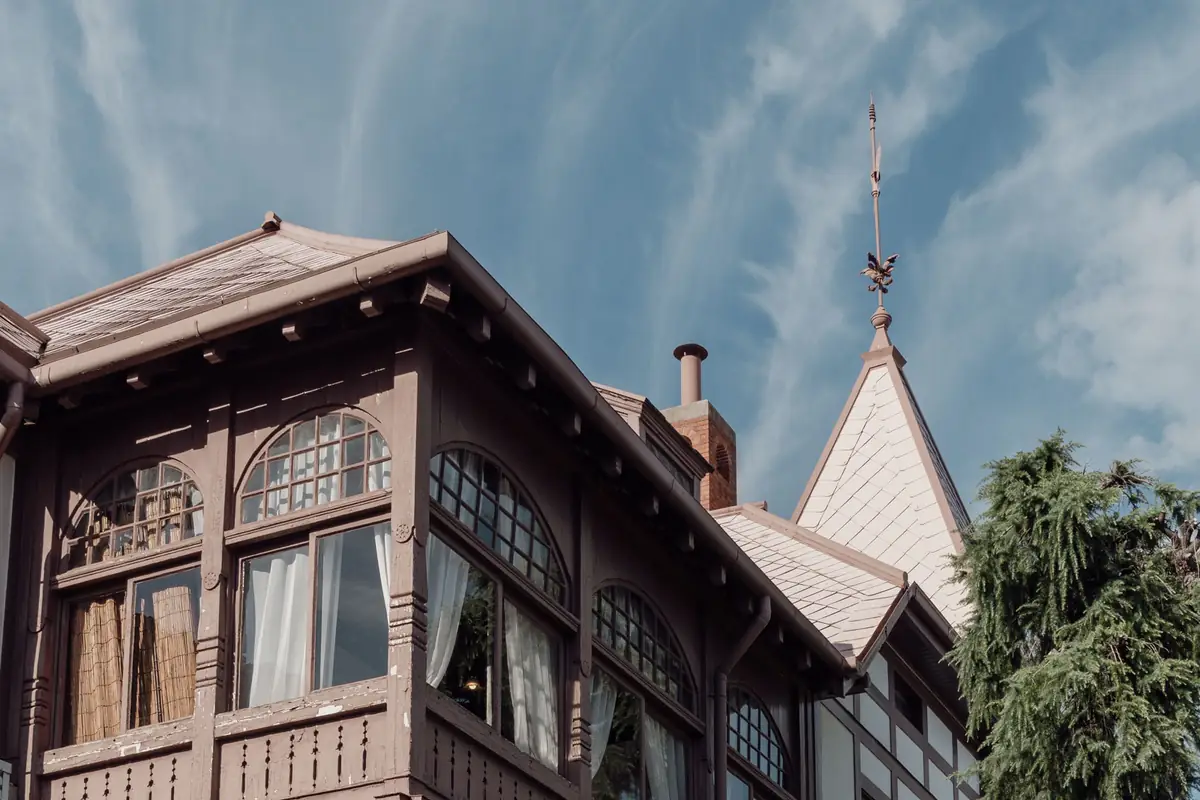
Kitano Ijinkan (北野異人館街) is a historic district of Western-style residences built between the mid-Meiji period and the early Showa era, roughly the 1880s through the 1930s. When Kobe was designated an open port, it became one of Japan’s major international hubs, and many of the foreign merchants, diplomats, and traders who settled here built their homes in the Western style they were accustomed to.
More than 20 of those houses survive today. Several are designated Important Cultural Properties by the national government. The combination of those restored mansions, the winding uphill lanes, and the view of Kobe Harbour spread out below makes this one of the city’s most photographed areas — and one of the few neighbourhoods in Japan where walking the streets feels genuinely like stepping somewhere else.
Major Houses and Admission Fees
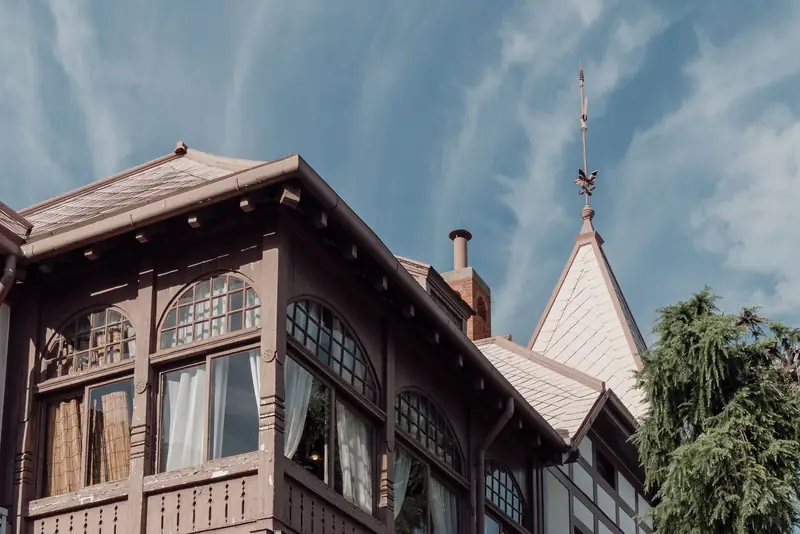
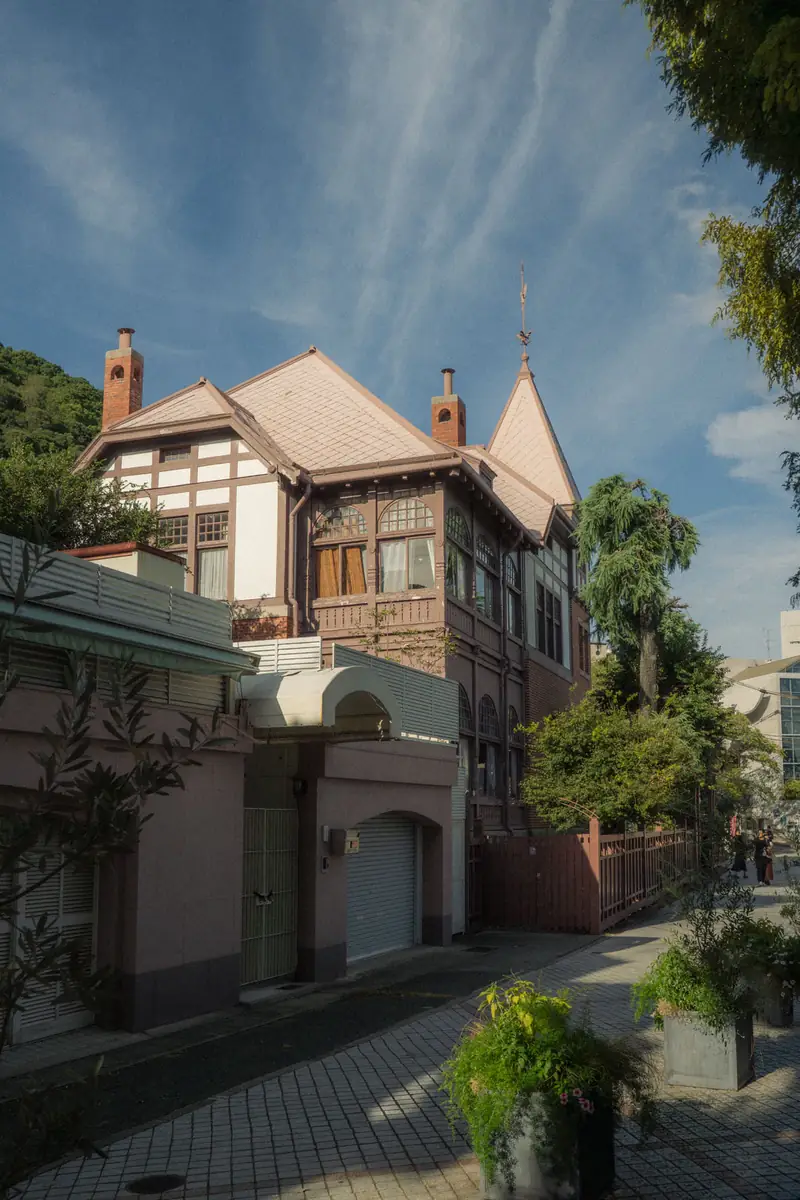
Kazamidori no Yakata (Weathercock House) — The Symbol of Kitano
Admission: ¥500 / Hours: 9:00–17:00 (last entry 16:45) / Closed 3rd Tuesday of each month
This is the house you’ll see on every Kobe postcard. Built in 1909 by German trader Gottfried Thomas, the red-brick mansion takes its name from the iron weathercock mounted on its roof. It is a designated National Important Cultural Property, and the interior — original furnishings, ornate fireplaces, preserved period rooms — is in exceptional condition.
The exterior is especially striking in the afternoon when the low sunlight catches the brickwork. Even if you don’t go inside, it’s worth standing here for a few minutes.
Uroko no Ie (Fish Scale House) — Kitano’s Most Elaborate Residence
Admission: ¥1,100 (includes observation gallery) / Hours: 10:00–17:00 (until 18:00 on weekends and public holidays, and from April onwards)
The name comes from the natural slate tiles covering the exterior walls, which overlap like the scales of a fish. Built as a high-end rental residence for foreign nationals in the Meiji era, Uroko no Ie is the grandest of the Kitano houses. Inside, you’ll find Meissen porcelain, Victorian-style furniture, and a well-curated exhibition reflecting how wealthy foreign residents lived in early modern Kobe.
Moegi no Yakata — A Pale Green National Treasure
Admission: ¥400 / Hours: 9:30–18:00 / Closed 3rd Wednesday and Thursday in February only
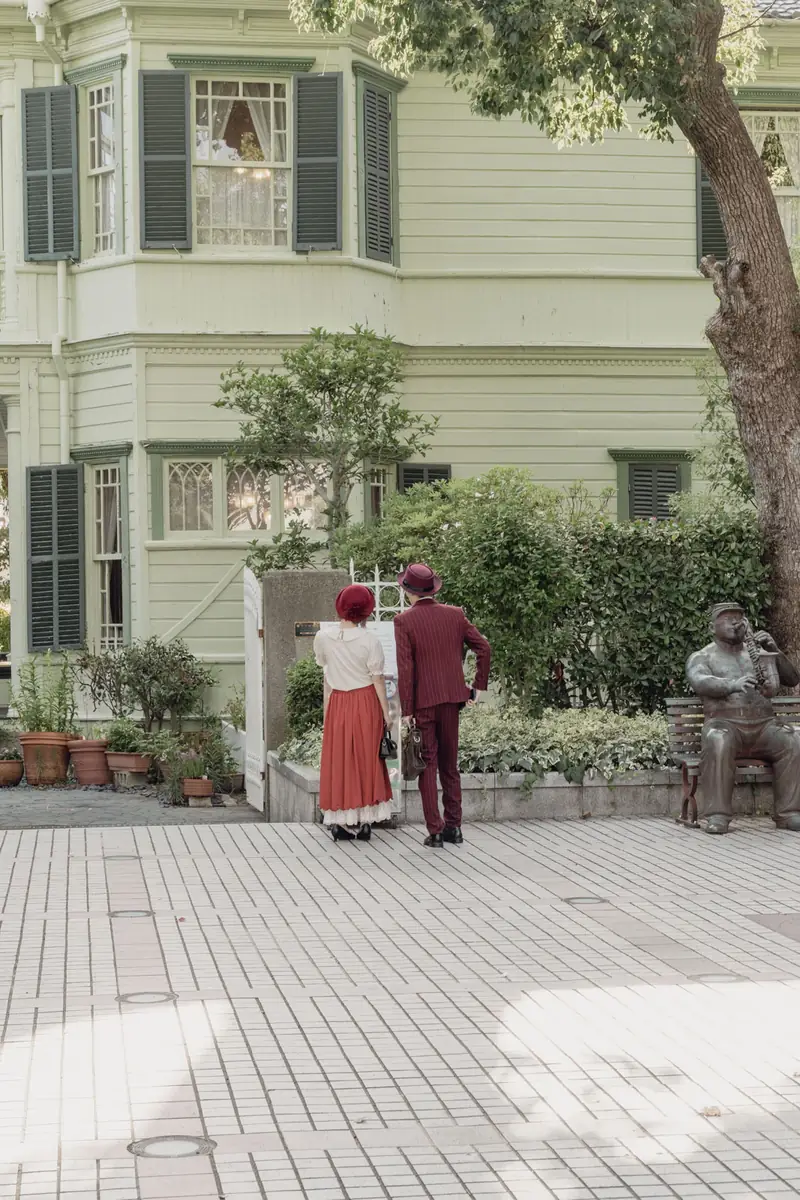
Built in 1903, this soft green mansion served as the residence of American Consul-General Hunter Sharp. It sits right next to Kazamidori no Yakata, so visiting both in sequence is the natural approach. Like its neighbour, it holds National Important Cultural Property status.
Rhein no Yakata — Free Entry
Admission: Free / Hours: 9:00–17:00 (last entry 16:45) / Closed 3rd Tuesday of each month
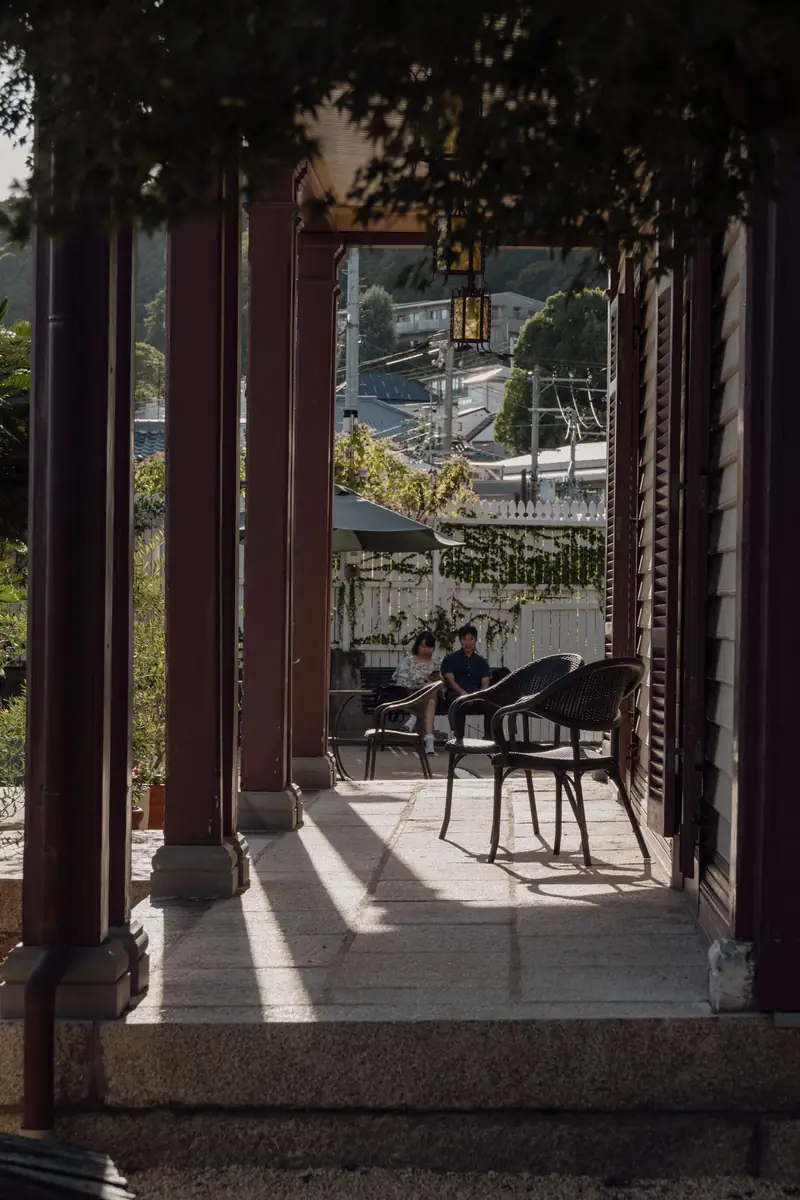
Managed by the City of Kobe and free to enter, Rhein no Yakata is a German-style timber-framed building dating from around 1915. It houses an exhibition on Kitano’s history. A good first stop if you want to get oriented before deciding which paid houses to visit.
Free Spots Worth Visiting
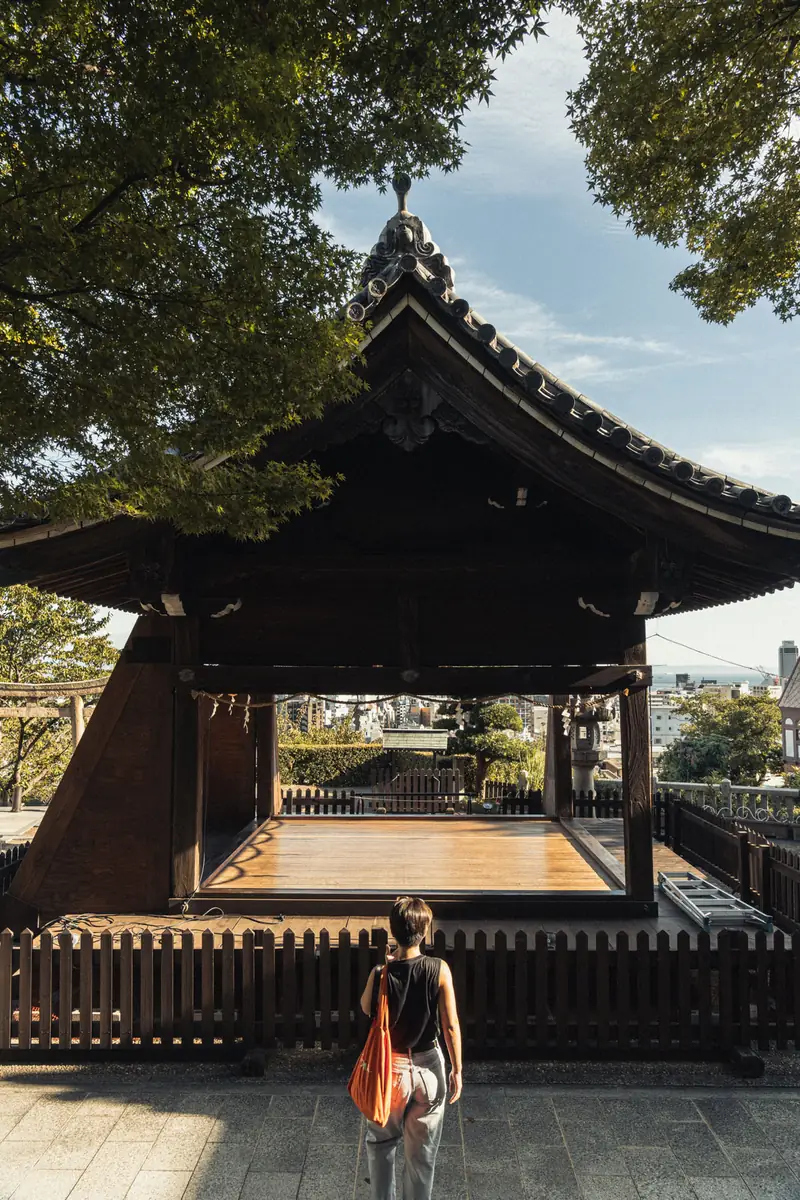
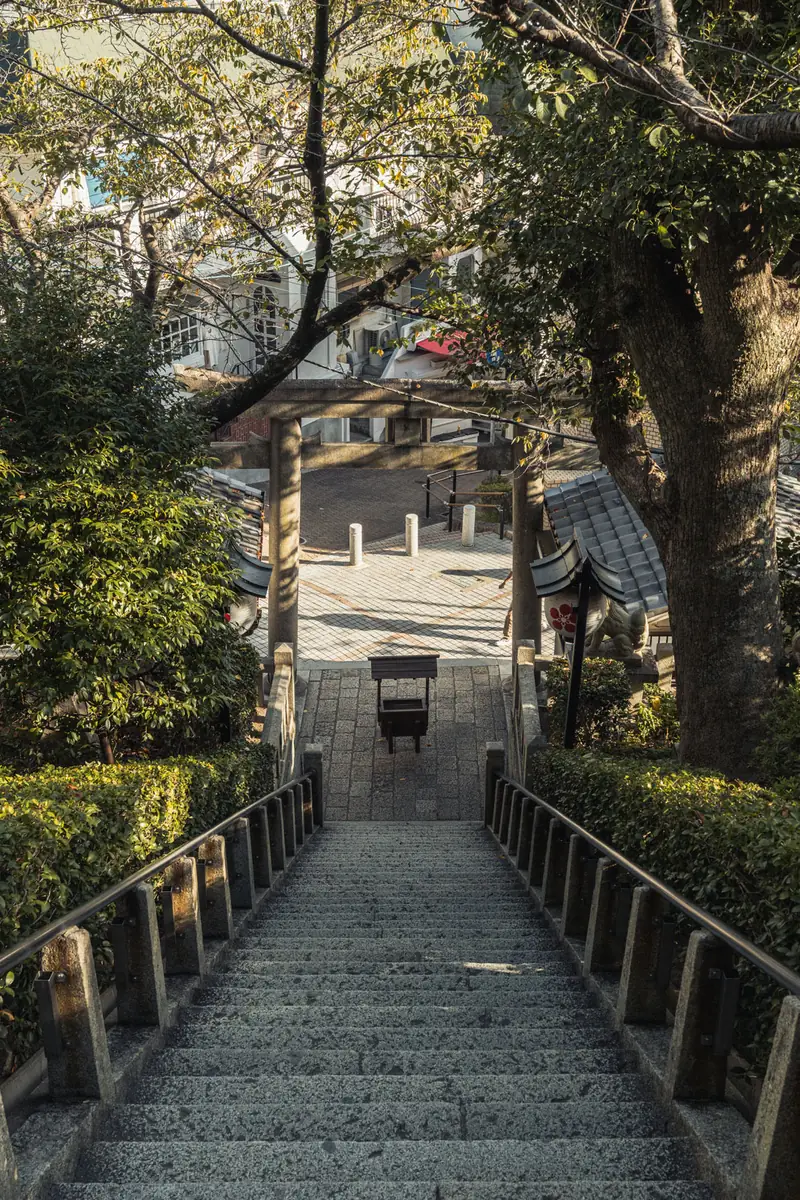
Kitano Tenman Shrine — Best View in the Neighbourhood
Sitting at the top of the Kitano slope, this Shinto shrine offers something none of the paid houses can match: a panoramic view stretching from Sannomiya’s office towers all the way to Kobe Harbour. Entry is free, and the payoff for climbing to the top is considerable.
The shrine itself closes at 17:00, so if you’re planning to end the day up here, give yourself enough time.
The Streets Themselves Are the Attraction
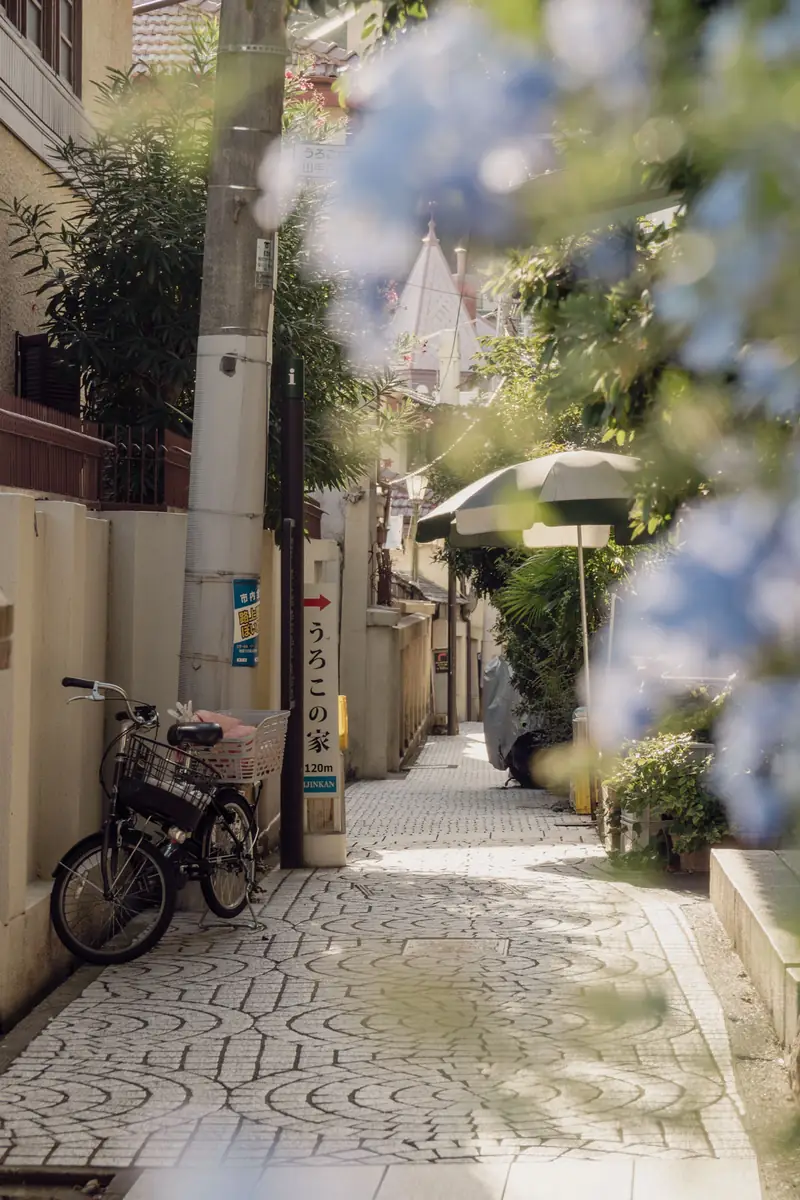
This is worth saying plainly: you don’t need to enter a single house to have a good time here. The cobbled lanes, the facades of the mansions, the harbour view that appears every time you turn around — walking through Kitano is an experience in itself. Many people spend a couple of hours here without buying a single ticket.
Cafes and Restaurants
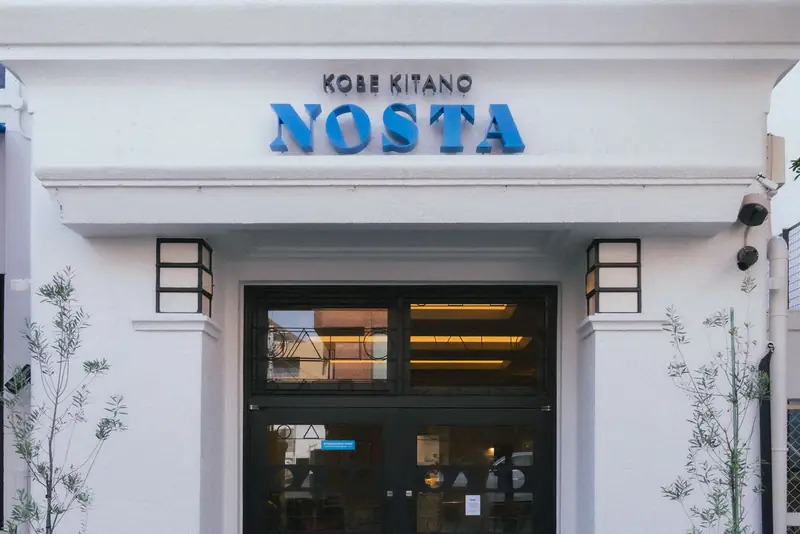
KOBE KITANO NOSTA — A Former Elementary School, Now a Food Complex
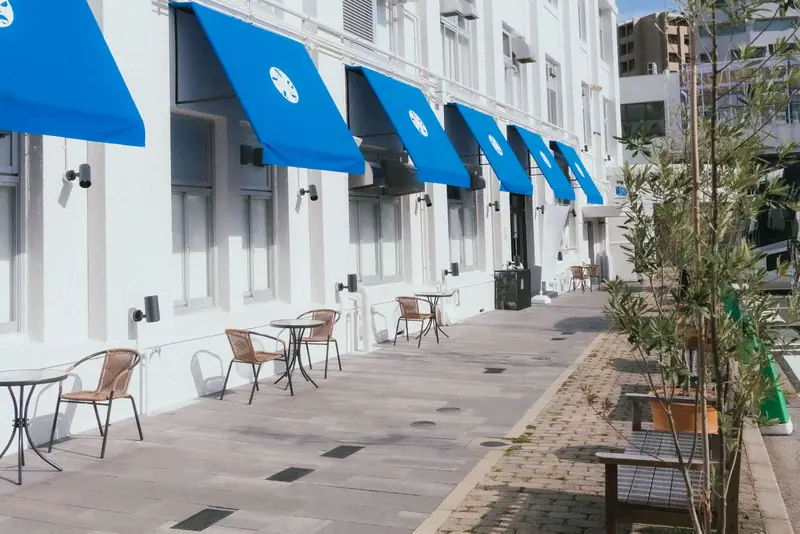
Located on Tor Road on the way up to Kitano, NOSTA is a former elementary school — over 90 years old — renovated into a complex of cafes, restaurants, and dessert shops. The white exterior with blue lettering is easy to spot and photogenic in its own right.
It works equally well as a pre-Kitano fuel stop or a post-walk wind-down spot.
Little Barkly — Melbourne-Style Specialty Coffee
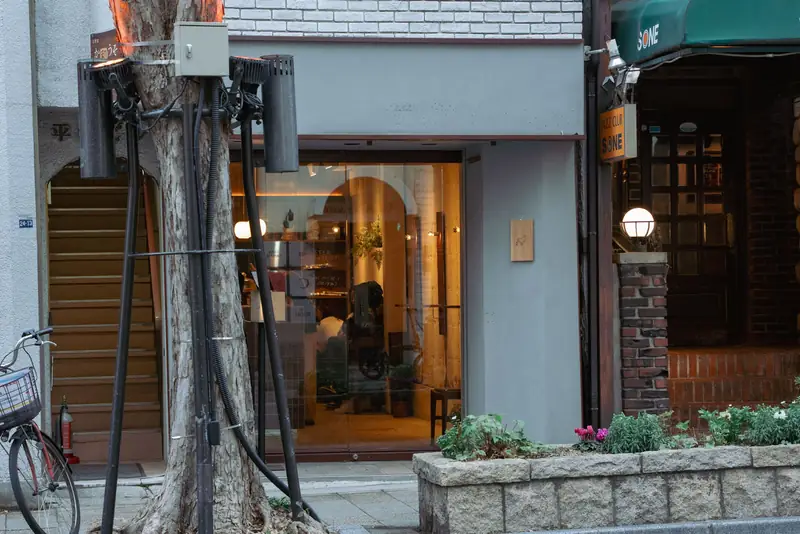
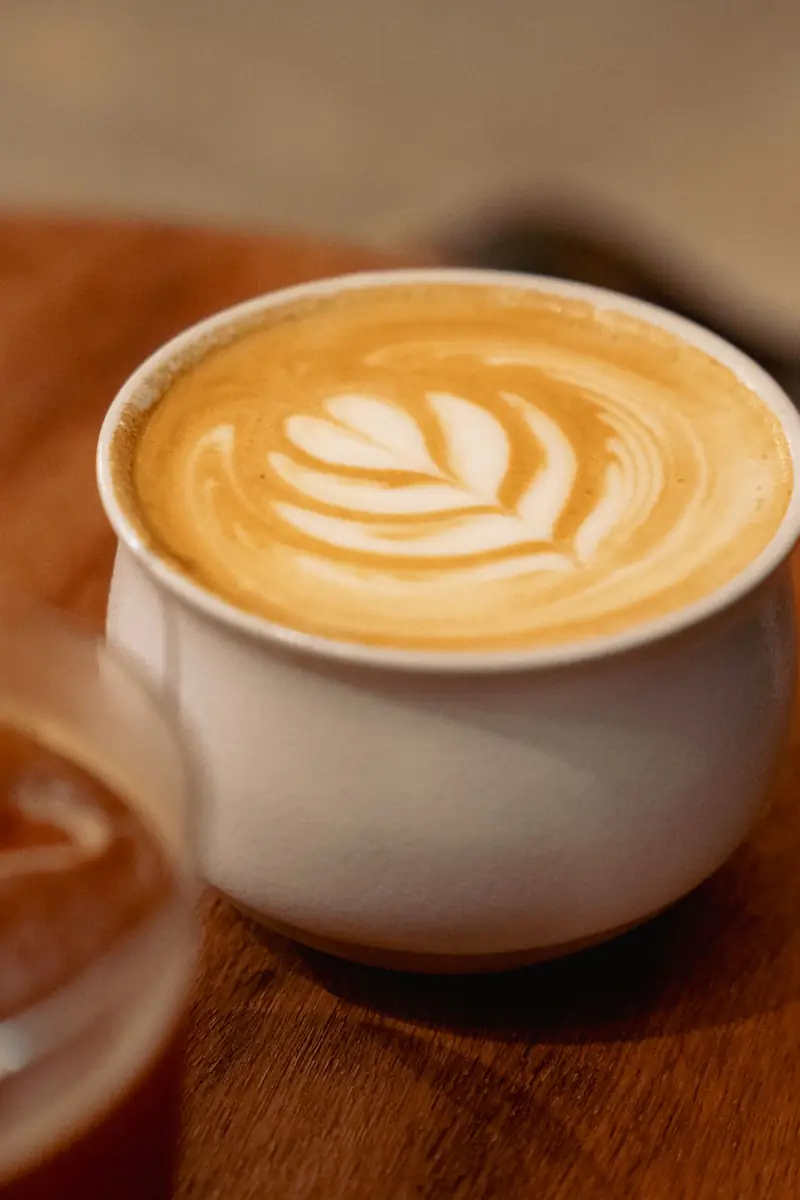
A small specialty coffee shop that feels like it was lifted from Brunswick or Fitzroy and set down quietly on a Kitano side street. The owner trained in Melbourne, and that shows in the attention paid to sourcing, extraction, and every cup that comes over the counter.
The space is compact, the signage is minimal, and the atmosphere is unhurried — a rare combination in a tourist-heavy neighbourhood. The juxtaposition of Kobe’s Western heritage and a Melbourne-trained barista making coffee here makes more sense than you’d expect.
- Instagram: @littlebarkly_coffee
Nishimura Coffee Kitano-zaka — A Kobe Classic
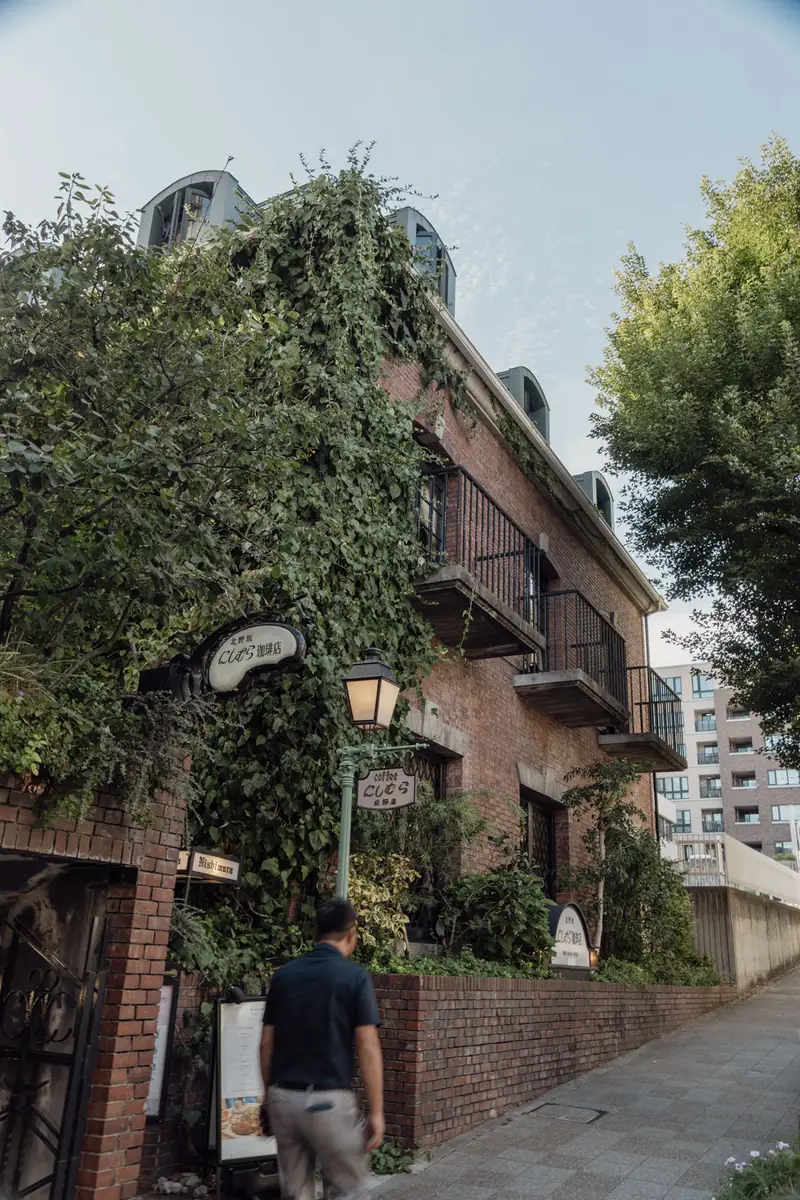
The Kitano-zaka branch of Nishimura Coffee, a long-established Kobe chain that has been defining the city’s coffee culture for decades. Old-school kissaten style — proper coffee, comfortable seating, unhurried service. A natural mid-walk rest stop.
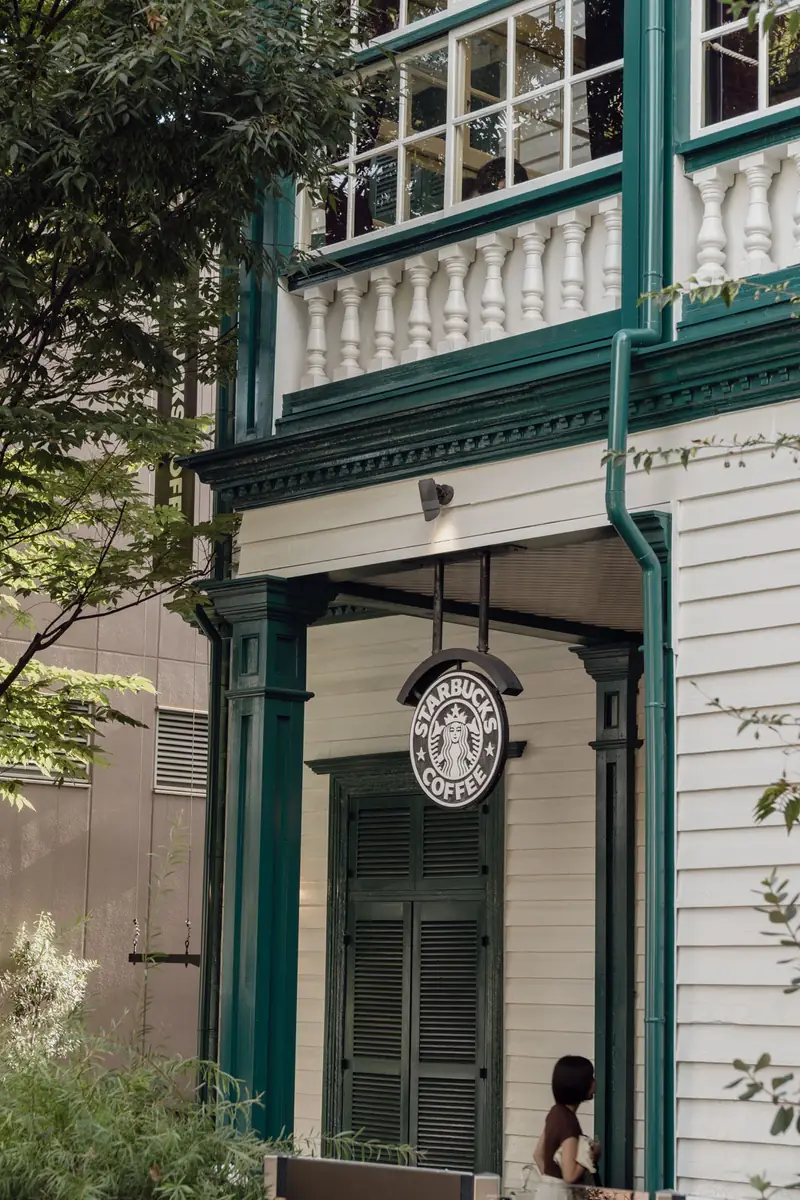
Starbucks Kobe Kitano Ijinkan — Coffee Inside a Heritage Building
This is one of the few Starbucks in Japan operating inside a genuine historic building — a 1907 Western-style mansion. The interior retains its original atmosphere, and the exterior draws enough photographers that you’ll want to see it regardless of whether you go in for a drink.
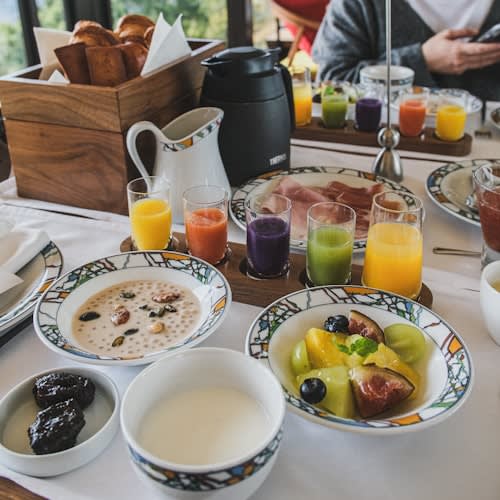
Kobe Kitano Terrasse — The “World’s Best Breakfast” Restaurant
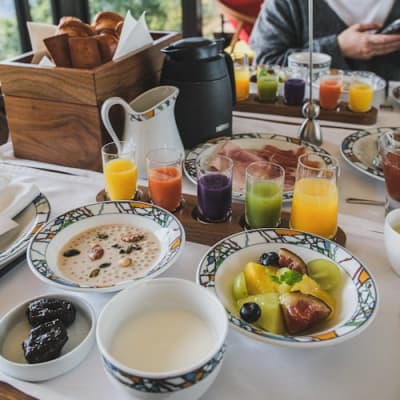
The restaurant attached to Kobe Kitano Hotel is headed by chef Hiroshi Yamaguchi, whose breakfast course here earned the title of “world’s best breakfast” from a French hospitality guide. The dining room is glass-walled, with views over the Kobe cityscape below.
This is a special occasion restaurant. Lunch and dinner reservations are recommended; breakfast even more so.
Kobe Kitano Hotel — Staying in the Ijinkan District
- Home of the famous “world’s best breakfast”
- Walking distance to all major Kitano sights
- Classic hotel atmosphere suited to anniversary travel and special stays
▶ Check availability & rates (Rakuten Travel)
Suggested Half-Day Itinerary
10:00 — Leave Sannomiya Station and head north up Kitano-zaka
10:15 — Stop at Little Barkly for a coffee before the climb proper
10:50 — Rhein no Yakata (free entry) — get a feel for the area with no commitment
11:30 — Uroko no Ie — the most immersive of the paid houses; budget about an hour
12:30 — Kitano Tenman Shrine — panoramic view of the harbour, marks the turning point
13:00 — Kazamidori no Yakata (¥500) — Kitano’s most iconic house, inside and out
13:45 — Moegi no Yakata (¥400) — right next door, easy to add on
14:15 — Head down Tor Road to NOSTA for dessert or coffee
17:00 — Back in Sannomiya
Early Morning Tip (Weekdays Recommended)
Weekday mornings before 10:30 are significantly quieter than afternoons or weekends. If photography is a priority, starting at the 9:00 opening time gives you the best light on the Western facades and the fewest people in the frame.
Getting There
| Method | From | Journey Time | Cost |
|---|---|---|---|
| Walking | Sannomiya Station (all lines) | approx. 15 min | Free |
| City Loop Bus | Sannomiya Bus Terminal | approx. 10 min | ¥300 |
Walking route: From Sannomiya Station, walk north along Kitano-zaka. The slope is fairly steep in sections, but the views that open up as you climb are part of the experience.
City Loop Bus: The bus runs a circuit around central Kobe’s main tourist sites. Get off at the Kitano Ijinkan stop. Useful if the hill walk is a concern.
Summary
Kitano Ijinkan works best when you treat the whole neighbourhood as the attraction, not just the paid houses. A few house visits, some time on the lanes, a coffee stop or two, and the view from the shrine — that’s a half day well spent in Kobe.
At 15 minutes on foot from Sannomiya, it’s close enough that there’s no reason to skip it. Build it into any Kobe itinerary.
Official site: Kobe Ijinkan (kobeijinkan.com)
Opening hours and admission prices are accurate as of March 19, 2026. Please check the official site before visiting.
This article contains affiliate links.


![Top 5 Breakfast Spots in Sannomiya & Motomachi, Kobe [2026] — From Stylish Cafes to Japanese Set Meals](https://res.cloudinary.com/deevlog/image/upload/f_auto,q_auto,w_800,c_limit/v1767096226/KOBE%20Brighten/blog/hanikamu-kobe-sannomiya-teishoku/DSC01595_bprqo8.jpg)