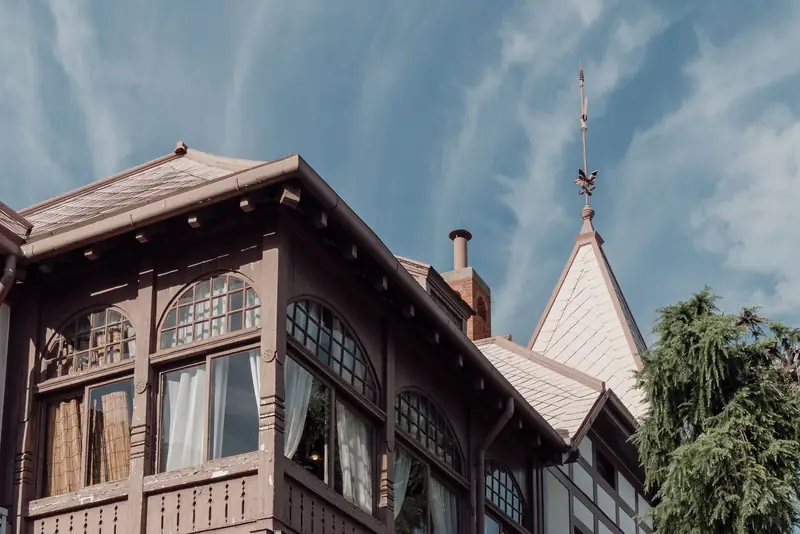
Eight to ten minutes east of Sannomiya Station on foot, the city shifts. The crowds thin. Old shopfront shutters sit next to newer signs. This is Ninomiya — a neighborhood that doesn’t appear on most tourist maps, but one that locals know well.
This guide covers everything in the area: its history, Ninomiya Shrine, the filming locations that put it on the anime map, a natural hot spring that stays open through the night, and six restaurants that make the walk worthwhile.
What Is the Ninomiya Area?
Ninomiya is the name given to the area east of Sannomiya Station, north of the JR railway tracks. It’s slightly broader than the administrative district of Ninomiyacho — locals use the name to refer to a stretch that includes the Ninomiya shopping arcade as well. The area takes its name from Ninomiya Shrine, the local tutelary shrine.
In one word: a neighborhood in the middle of changing.
Korean barbecue restaurants and yakiniku spots are scattered throughout. The old shopping arcade remains intact, while around its edges, cafés and restaurants in renovated machiya townhouses are gradually appearing. This is Kobe before the tourism polish — honest and unhurried.

Ninomiya Shrine

The shrine that gives the neighborhood its name. Ninomiya Shrine is the second of the Ikuta Hassya — eight shrines enshrining the eight deities descended from Ikuta Shrine, which was founded by Empress Jingu. These eight shrines are scattered across Kobe City, and visiting all eight (known as hassya-mairi) is a tradition that continues today.
The Deity
The principal deity is Masakatsu Akatsu Kachihayahi Ame no Oshihomimi no Mikoto, the first child of Amaterasu Omikami (the sun goddess). The name contains the character for “victory” (katsu) three times — making this shrine a destination for anyone with a competition, exam, or important challenge ahead. Emperor Ojin is also enshrined here.
Ema votive plaques in the grounds carry wishes for all manner of contests: sporting events, business deals, university entrance exams, job interviews.
A Name Shared with a Famous Musician

Ninomiya Shrine shares its name with Kazunari Ninomiya, a member of the Japanese pop group Arashi. Fans of the group make visits here, and you’ll often find emas with wishes related to concert tickets and other Arashi matters tucked among the more conventional prayers. The shrine functions perfectly well as a spiritual site on its own terms — the celebrity connection is simply an extra layer that happens to bring people in.
Suzume no Tojimari Pilgrimage Spots
Ninomiya is one of the settings for Suzume no Tojimari (Suzume, 2022), the anime film directed by Makoto Shinkai — the director best known internationally for Your Name (Kimi no Na wa, 2016).
In the film, a character named Rumi runs a snack bar in a shopping arcade called the Ku-miya Shopping Arcade (九宮筋商店街). This fictional arcade is modelled directly on the real Ninomiya Shopping Arcade (二宮筋商店街). The Showa-era covered shopping street still looks much as it does in the film — shuttered in places, but unmistakably itself. The Ninomiya Market (二宮市場), where the protagonist Suzume chases Daijin, is also nearby.
The area has not been renovated for tourism. The streets look the same as they did when the film’s background artists visited. For fans of Japanese animation, or anyone curious about how anime production teams research real locations, it’s a genuine and unhurried experience.
Ninomiya Onsen — Yu-Asobi Hiroba
Pray at the shrine, walk the arcade, then soak in a hot spring. The full Ninomiya circuit comes together at Yu-Asobi Hiroba Ninomiya Onsen.
A natural hot spring in the center of the city — seven minutes’ walk from Sannomiya Station, open overnight. On weekends, runners and hikers returning from Mt. Rokko fill the baths alongside local residents. The facilities include a carbonated bath, sauna, cold plunge, outdoor bath, electric bath, and medicinal herb bath.
“Pray for victory at Ninomiya Shrine, stroll the shopping arcade, wash off the day at the onsen, then start the evening somewhere” — that itinerary completes itself on foot.
| Address | 4-2-18 Ninomiyacho, Chuo-ku, Kobe |
| Hours | 14:00 – 10:00 next morning (open every day) |
| Facilities | Carbonated bath, sauna (paid), cold plunge, outdoor bath, electric bath, herbal bath |
| Other | Runner-friendly, luggage storage, PayPay accepted |
| Phone | 078-291-0260 |
Getting There
| Station | Walk |
|---|---|
| JR / Hankyu / Hanshin Sannomiya Station (all lines) | 8–10 min |
Head east from any of the Sannomiya station exits. Once you cross past the main shopping area, you’ll feel the neighborhood change.
Where to Eat and Drink
Six restaurants worth knowing — each with a distinct character.
1. Yakiniku Dojo Tecchan — Charcoal Yakiniku

Charcoal-grilled yakiniku with a following among world-class athletes — Naoya Inoue, Junto Nakatani, and Kai Asakura have all come through. Owner Tetsuji sources Japanese black beef from across the country based on quality rather than brand, and his house-made tare has kept top fighters coming back.
No private rooms. Just a counter and tables in a backstreet, and meat that speaks for itself.
- Best for: Groups, serious meat
- Address: Tamataya Mansion 1F, 3-2-15 Kotonoecho, Chuo-ku, Kobe
- Price: ¥8,000+
- Instagram: @yakinikudoujou_tecchan
- Tip: Reserve in advance, especially on weekends.
2. CAFE+ — Neighborhood Café

A café inherited from the owner’s parents — the kind of place locals drop into without thinking twice. The concept is providing a small everyday plus (the + in the name). Unhurried, unpretentious, and useful for a quiet midday break between the shrine and the arcade.
- Best for: Solo, a slow afternoon
- Address: Ninomiyacho, Chuo-ku, Kobe
- Price: ¥1,000+
- Instagram: @cafe_pls
3. Minatomachi Mother — Western-Style Set Meals

Twenty-six years in the same spot. The owner opened with no cooking experience and reportedly sent customers home without food in the first year — and is still here. Now the place is known for chicken nanban, a Southern Japanese fried chicken dish in tartar sauce, that regulars have been ordering for years.
- Best for: Lunch, solo, family
- Address: Ninomiyacho, Chuo-ku, Kobe
- Price: ¥1,000+
- Instagram: @minatomachi_mother
- Tip: The chicken nanban is the thing to order.
4. ZASNATCH — Pizza

A pizzeria run by an owner with a serious passion for Vissel Kobe football club. The dough is unusually light — developed in collaboration with a local bakery after extensive testing — and stays crispy even as the evening stretches. Vissel players have been known to stop by.
- Best for: Dates, friends
- Address: Ninomiyacho, Chuo-ku, Kobe
- Price: ¥2,000+
- Instagram: @za.snatch
- Tip: If you follow football, conversation with the owner is part of the experience.
5. BI-TON — Korean Cuisine
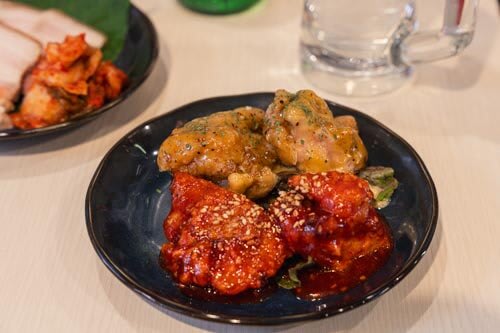
Korean cuisine run by a former pastissier. The focus is on substance rather than presentation — the food photographs modestly, but the flavour is the point. Regulars are local, and repeat visits are common.
- Best for: Friends, groups, dates
- Address: Sannomiya, Chuo-ku, Kobe
- Price: ¥3,000+
- Instagram: @bi_ton
- Tip: The food is better than the photos suggest.
6. Hormon Kushi Tokishirazu — Grilled Offal Skewers
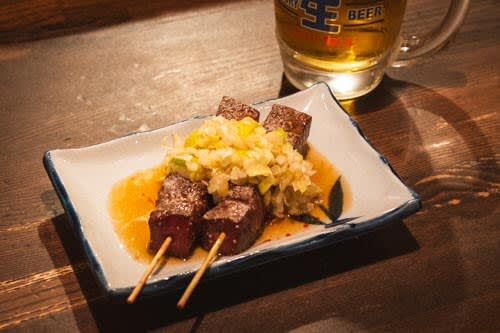
The owner came from Tokyo with the intention of establishing motsu-yaki — Tokyo-style grilled offal skewers — as a Kobe culture. The bar style suits a solo drink or a small group, and it pairs well with an evening that started at the shrine.
- Best for: Casual drinks, solo
- Address: Sannomiya, Chuo-ku, Kobe
- Price: ¥2,000+
- Instagram: @tokishirazu_kobe
- Tip: Tokyo-style motsu-yaki pairs particularly well with Hoppy (a beer-like low-alcohol drink).
Combining with Nearby Areas
- Ikuta Shrine — 10 minutes’ walk. The main shrine of the Ikuta Hassya. Worth combining with Ninomiya Shrine for those interested in the eight-shrine pilgrimage.
- Tor West — around 15 minutes’ walk. A dense cluster of independent bars and restaurants with a different, more nocturnal energy. Well suited to continuing an evening that began in Ninomiya.
Summary
Ninomiya is not a finished tourist destination. It’s a neighbourhood where old shopping arcades sit next to renovated townhouse cafés, where anime pilgrims visit streets that haven’t been tidied up for them, where world-class athletes eat yakiniku at counter tables without private rooms.
It’s somewhere worth visiting while it still looks like this. Slow down, walk east from Sannomiya, and give the neighborhood an hour or two. You’ll find things that weren’t on the map.
This article contains affiliate links.
![Top 5 Breakfast Spots in Sannomiya & Motomachi, Kobe [2026] — From Stylish Cafes to Japanese Set Meals](https://res.cloudinary.com/deevlog/image/upload/f_auto,q_auto,w_800,c_limit/v1767096226/KOBE%20Brighten/blog/hanikamu-kobe-sannomiya-teishoku/DSC01595_bprqo8.jpg)